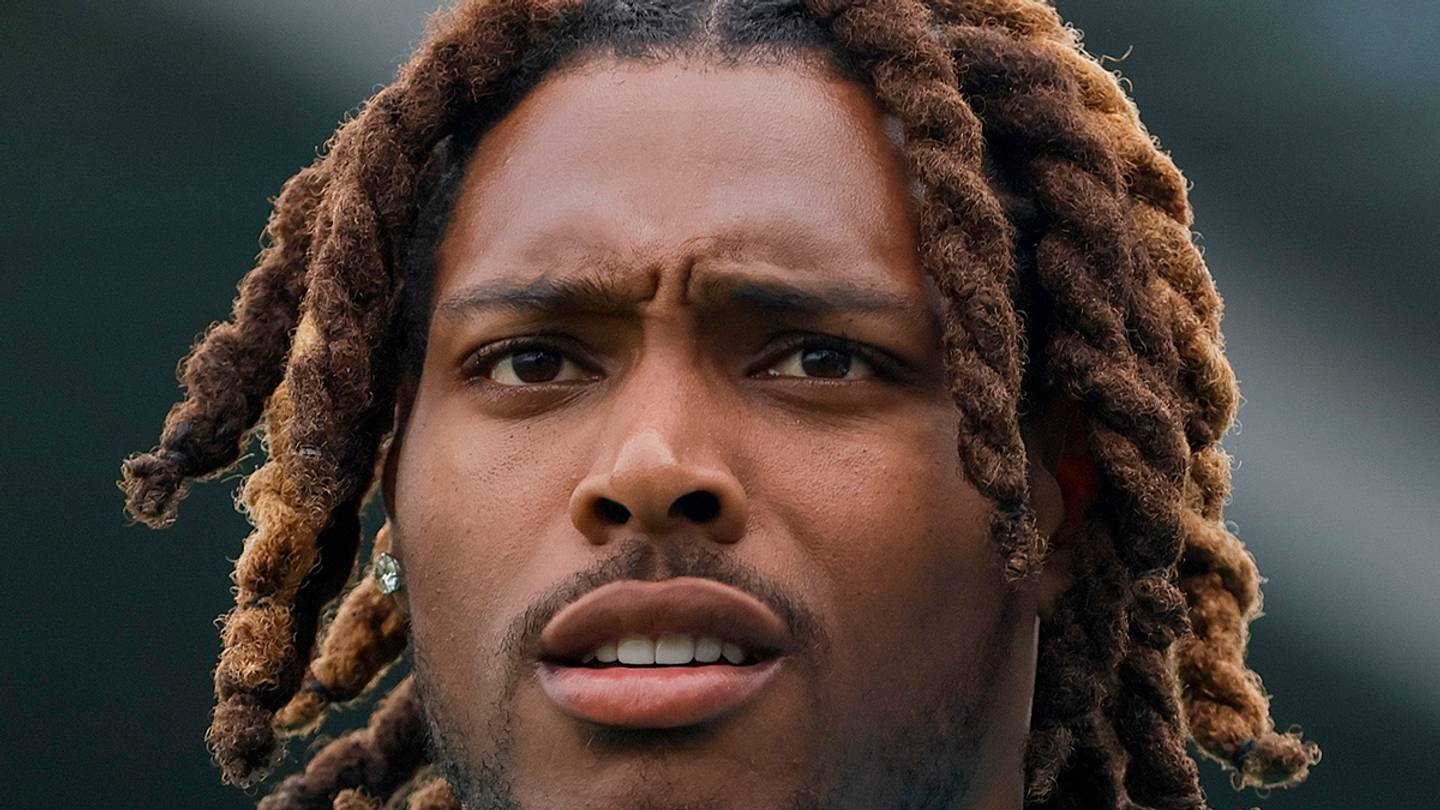
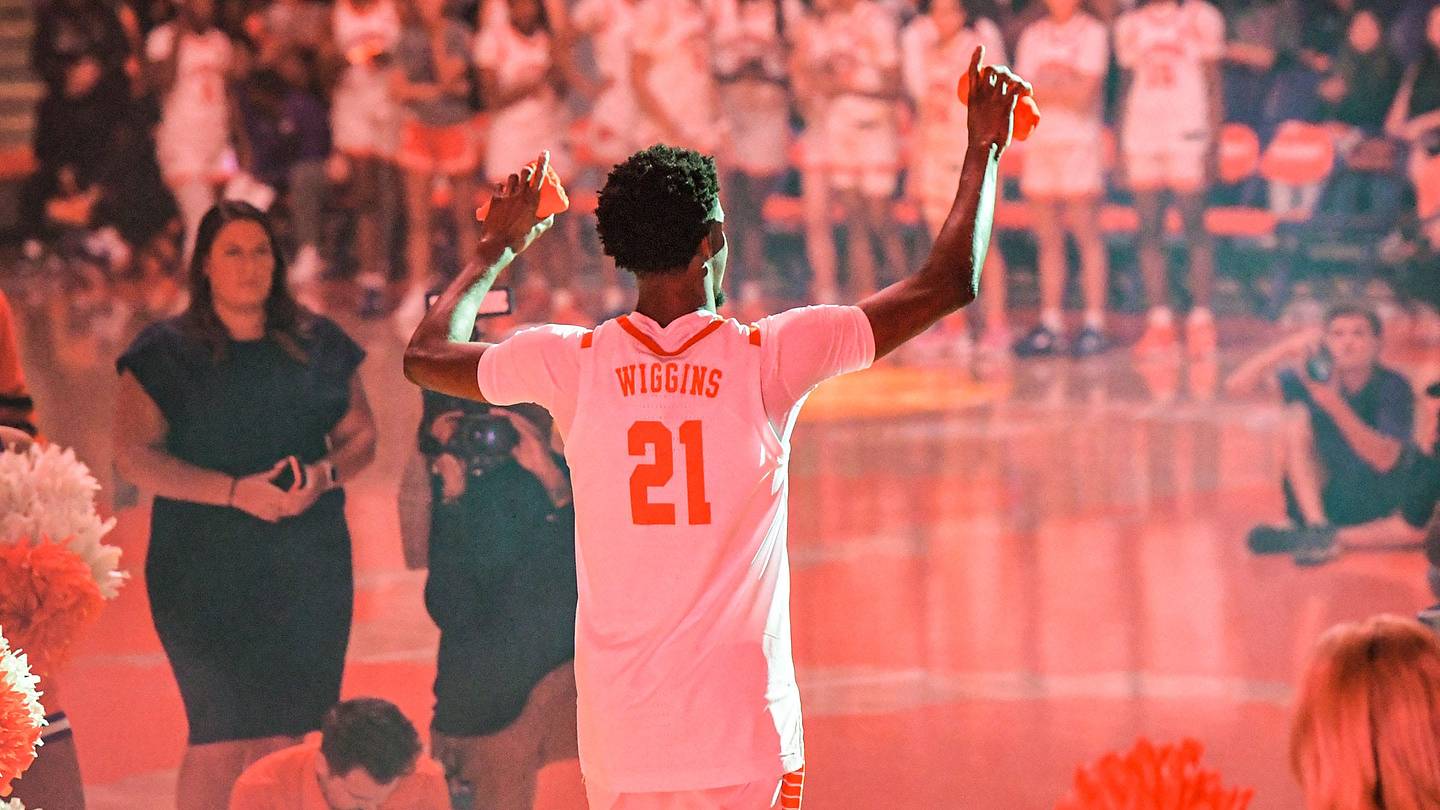
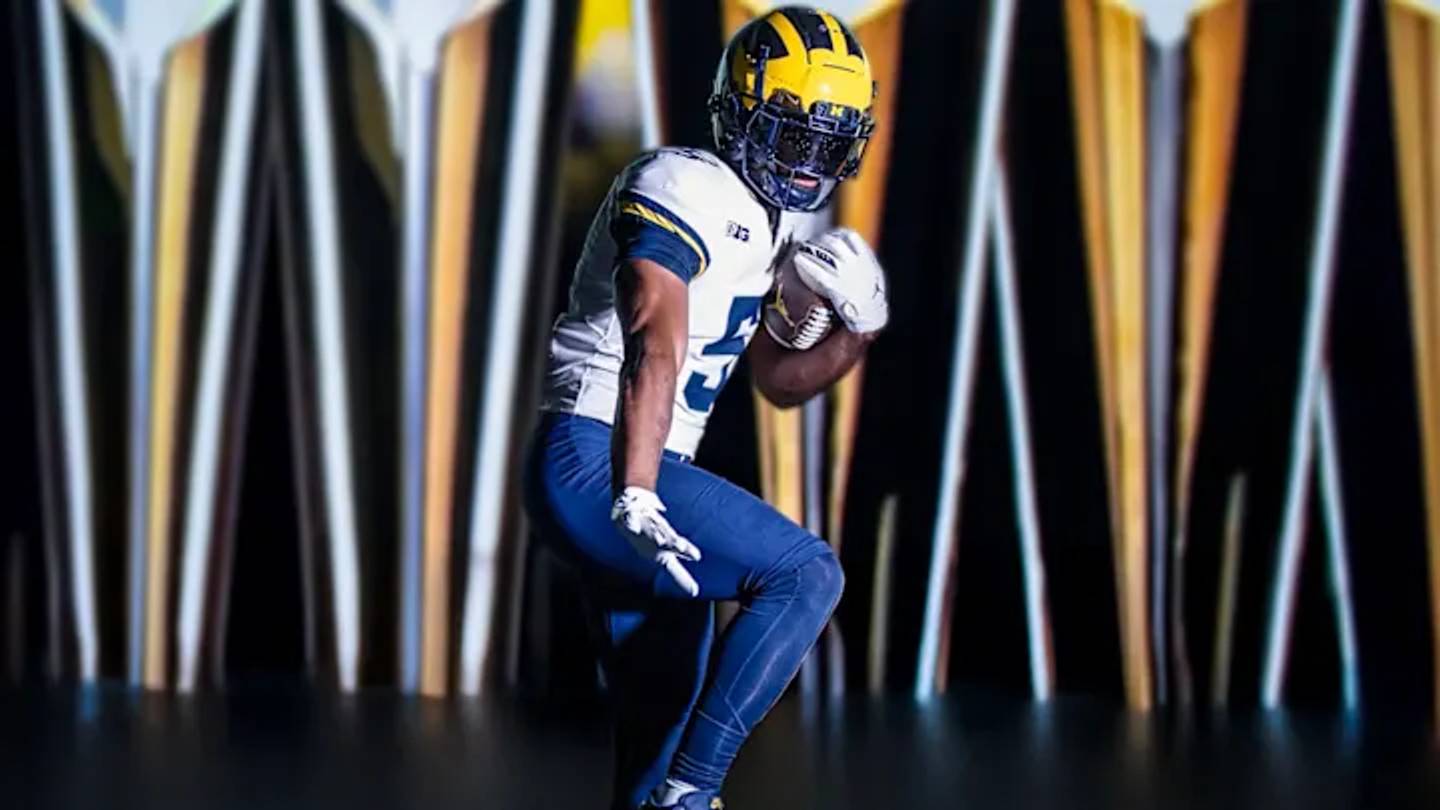
Can you spot the AI-generated faces? Take the test to find out
Can you tell the difference between a real person and an image generated by artificial intelligence (AI)?
According to a new study, it might be a lot harder than you think.
Researchers from Australian National University (ANU) warn that the average person is no worse off guessing at random when it comes to spotting AI-generated faces.
However, the experts say you can train yourself to spot the imposters by honing your natural intuitions.
The researchers found that people can be taught to focus on six key characteristics which can help separate real humans from digital doppelgangers.
Those are: Facial distinctiveness, memorability, proportionality, symmetry, attractiveness, and expressiveness.
But lead author Amy Dawel, associate professor of psychology at ANU, says just knowing what to look for isn't enough - you have to learn by practising.
So, how many of these AI-generated faces can you distinguish from real people? Take the quiz below to find out.
In a new paper, published in the journal PNAS, Dr Dawel and her co-authors warn that AI-generated faces are getting much harder to spot.
Today some programs are able to create faces that are all-but indistinguishable from the real thing.
This is driving a boom in AI-powered fraud, which is projected to lead to losses totalling $40 billion (£30.2 bn) in the United States alone by 2027.
One of the big issues is that AI's ability to generate deepfakes has accelerated much faster than our ability to spot them, as once-reliable advice becomes outdated.
For example, telling people to look for 'AI artefacts' like sixth fingers, misaligned teeth, or wonky ears simply no longer works.
Studies have shown that this advice doesn't improve people's ability to spot deepfakes, and real-life fraudsters can easily edit out or avoid these errors.
Instead, the researchers have developed a new training method that teaches people to pick up on 'global impressions' rather than specific features.
Dr Dawel says: 'Our training approach has a deliberate twist: we do not tell participants what to look for.

Researchers found that you can learn to spot AI-generated faces more reliably by rating each of these labelled examples from zero to seven according to six criteria: Facial distinctiveness, memorability, proportionality, symmetry, attractiveness, and expressiveness
'Instead, we expose them to AI-generated and genuine human faces while directing their attention to the qualities that distinguish the two.
'Over repeated exposure, participants build an intuitive sense for spotting AI faces, in the same way that expertise often develops through experience rather than explicit rules.'
In their study, participants were shown pictures correctly labelled either as AI-generated or human and asked to rank them on the six key characteristics.
This wasn't so that the participants could learn specific rules, such as 'high attractiveness is a sign of being an AI', but to help them hone their intuition.
What was so striking is just how much this short, online intervention improved people's ability to distinguish real and fake pictures.
Before training, people were able to find the AI imposter hidden alongside two real humans just 41 per cent of the time.
Likewise, people correctly identified a single human face as real in only 52 per cent of cases and correctly labelled an AI-generated face with 47 per cent accuracy.
But after practising on the labelled examples, the average accuracy doubled after a brief online training session, with some 'high performers' achieving near-perfect results.

Rating labelled examples on these criteria helps you develop an intuitive ability to distinguish real and AI-generated faces

Scientists found that a short online training session using this method doubled the average accuracy with which participants spotted AI fakes
Remarkably, these test results were then replicated by a team led by Professor Jim Tanaka and Dr Eric Mah at the University of Victoria, Canada.
Dr Mah says: 'The replication shows that the findings weren’t a fluke – when we trained a new set of people in a different country, we saw them improve just as much.
'Online training was effective, so our training program could easily be implemented at scale for little cost.'
The researchers say this works because facial impressions are formed rapidly and intuitively, and are very sensitive to the sorts of systemic biases inherent in AI algorithms.
Read More
What would happen if AI took over: Simulation reveals how bots could destroy society in four days

That sense of when a face looks right is something we all have, but people generally fail to leverage those impressions without training.
Directing people to pay attention to the broader, global characteristics trains them to hone their intuitive knack for spotting real faces.
While algorithms for detecting deep fakes do exist, these tend to be incredibly opaque 'black boxes' with potential hidden flaws.
Instead, the researchers argue that we 'urgently' need to improve our own AI-detection abilities to fight back against deepfake scams.
New Ranking Shows Broncos Have One of NFL's Most Dangerous Pass-Rushing Duos
New Ranking Shows Broncos Have One of NFL's Most Dangerous Pass-Rushing Duos
There's an argument that the Denver Broncos' pass-rushing duo should rank No. 1 in the NFL. Chad Jensen|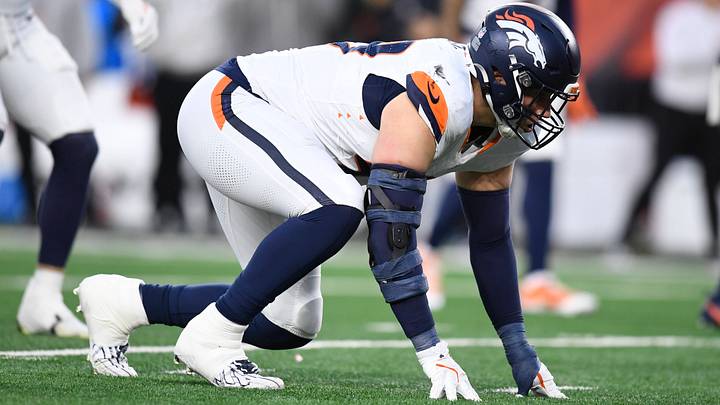
In this story:
Denver BroncosIn back-to-back seasons, the Denver Broncos led the NFL in sacks. With 68, Denver came tantalizingly close to breaking the 1984 Chicago Bears' all-time single-season sack record last season of 72.
If the Broncos could have finished a little bit stronger down the stretch, they probably would have caught the '84 Bears. It didn't help that Jonathon Cooper only totaled one sack over the final eight weeks of the season. Talk about a fall-off.
It might be too much to ask for the Broncos to lead the NFL in sacks for a third straight year, but the top two guys are back. Speaking of outside linebacker Nik Bonitto and defensive end Zach Allen, the Broncos' duo checked in at No. 3 in Sports Illustrated's top five pass-rushing tandems of 2026.
"A 3-4 defensive end, Allen might be the most underrated player in the NFL. It’s something that should be impossible, considering he played for a 14–3, top-seeded team last season. Yet he remains so, even with pacing the NFL over the past two seasons in quarterback hits with 47 and 40, respectively," SI's Matt Verderame wrote.
Allen may indeed still be underrated, especially by the fans in the Pro Bowl voting, but he's made the A.P.'s All-Pro team in each of the past two seasons, including the first team last year, so his cache has grown tremendously around the NFL. And at 28, he's still in his prime window.
Interior pressure is so valuable in the NFL. It flusters quarterbacks like nothing else, and often leads to the edge rushers capitalizing on the work of the inside guys.
In Bonitto's case, he's certainly benefited at times from Allen's interior pressure, happy to clean up a scrambling quarterback. But Bonitto creates plenty of his own pressure, which Allen has capitalized on himself. It's a symbiotic relationship with this inside/outside duo.
"On the outside, Bonitto earned a four-year, $106 million extension beginning this year by turning into one of the game’s elite pass rushers. Last season, he helped the Broncos lead the league with 68 sacks by having a team-high 14, his second consecutive season with at least 13.5. Only 26 and surrounded by pass rushers, including Allen and Jonathan Cooper, Bonitto’s best days might be ahead of him," Verderame wrote.
A 2022 second-round pick, Bonitto was a bit of a late bloomer, with his break-out season coming in Year 3. Entering Year 5 now, he's a bona fide Defensive Player of the Year candidate.
More Takeaways

What the Broncos are hoping to see from Allen and Bonitto this year is a bigger focus on punching the ball out. Both players get to the quarterback so often, whether it's pressures, hits, or sacks, but the strips and forced fumbles haven't been there.
Bonitto did have a beautiful strip-sack on Josh Allen in the Broncos' 33-30 overtime win over the Buffalo Bills in the divisional round, turning the corner and hitting him hard from the blind side to knock the ball out. It was one of four Allen turnovers on the day.
The Broncos now have a lot of money tied up in their front seven, with all projected starters playing on big extensions. Allen and Bonitto are on their second contracts with the club, and they're young enough that they could end up with a third.
With Cooper being arrested twice in June and facing serious criminal charges in Denver, it's unclear what the Broncos will ultimately decide to do with the troubled rush linebacker. The NFL is expected to hand down a suspension, regardless of what happens in court, so the Broncos have to start planning for life without Cooper for at least a little while.
That'll put more pressure on Bonitto and Allen, but not too much more. The Broncos are very deep at rush linebacker, with guys like Jonah Elliss, Dondrea Tillman, and Que Robinson champing at the bit to see the field.
The Takeaway
It'll be fun to see how the 2026 season plays out for the Broncos' defense. If Allen and Bonitto stay on their trajectory, perhaps they can climb higher in SI's pass-rush-duo rankings next offseason.
Myles Garrett and Byron Young of the Los Angeles Rams checked in at No. 1 in SI's rankings, followed by Danielle Hunter and Will Anderson Jr. of the Houston Texans at No. 2. Garrett and Young, as a duo, is all projection, as this will be their first year playing together.
I would have put Hunter and Anderson at the top, followed by Bonitto and Allen, simply based on their proven track record as tandems. But to each their own.
Published 15 minutes ago
-0e95ee5e2e54166def0493b16bca71f2.jpg) CHAD JENSEN
CHAD JENSENChad Jensen is the Publisher of Denver Broncos On SI, the Founder of Mile High Huddle, and creator of the popular Mile High Huddle Podcast. Chad has been on the Denver Broncos beat since 2012 and is a member of the Pro Football Writers of America.
Follow ChadNJensenHome/News