What to know about COVID-19 study that was finally published after being blocked by CDC
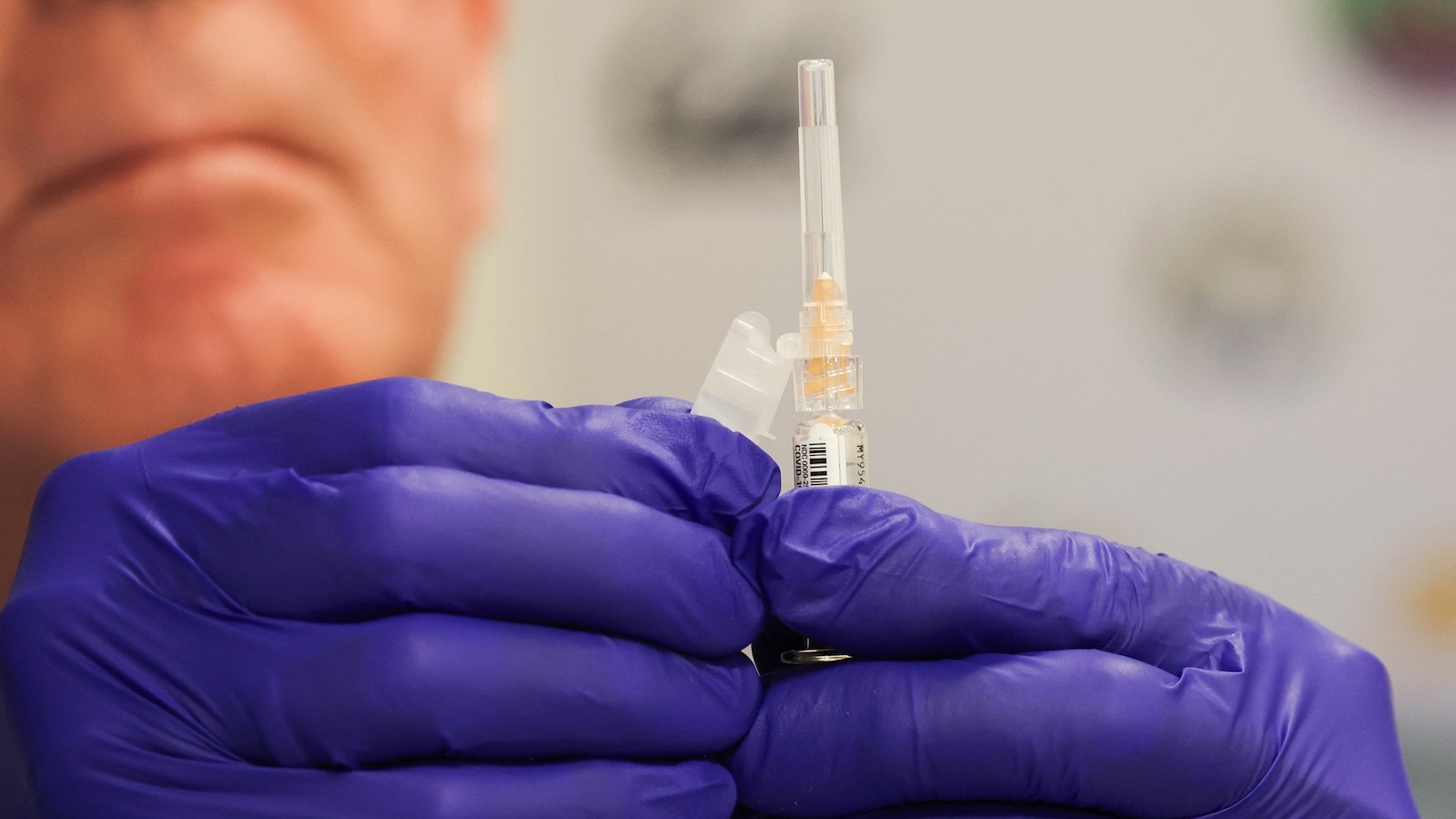
What to know about COVID-19 study that was finally published after being blocked by CDC
The study was originally meant to be published in a CDC weekly report in March.
What to know about COVID-19 study that was finally published after being blocked by CDCPatrick T. Fallon/AFP via Getty ImagesByMary KekatosJune 24, 2026, 5:32 PMA study looking at the effectiveness of the COVID-19 vaccine was published Tuesday after it was blocked from being included in a weekly report from the federal government.
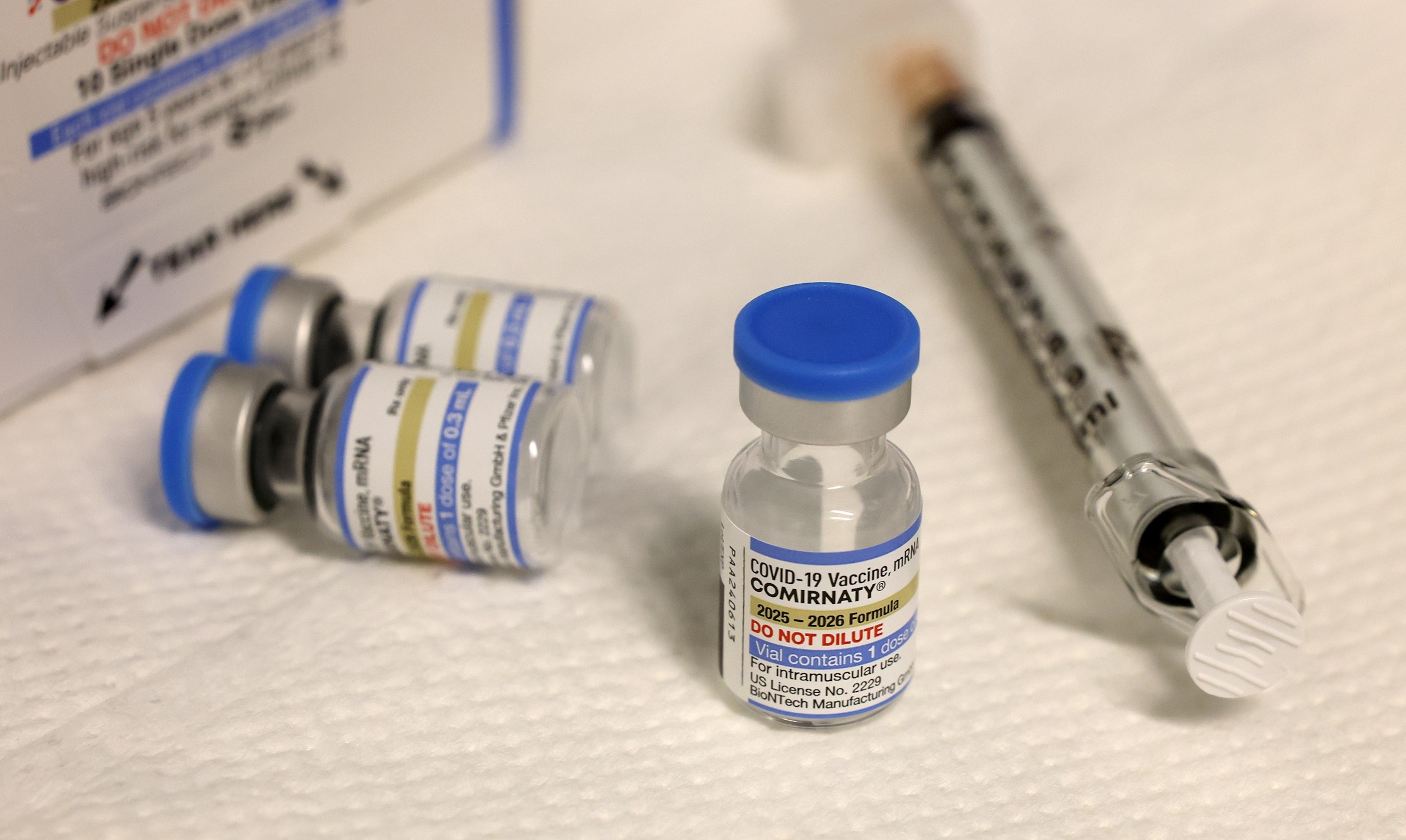
The study, conducted by researchers at the CDC and researchers in California, Colorado, Georgia, Indiana, Maryland, Minnesota, New York, Oregon, Texas and Utah, looked at the effectiveness of the 2025-26 vaccine among adults aged 18 and older, who did not have weakened immune systems, during the fall and winter of 2025.
The study estimated the updated vaccines lowered the risk of COVID-19 hospitalization by 55% and COVID-19-related emergency department or urgent care visits by 50%, compared with those not receiving the shot.
The authors noted the study did not account for whether people had a previous COVID-19 infection or earlier COVID-19 vaccines, so the results may show the added protection from the 2025-26 vaccine on top of any immunity people may already have.
RelatedFDA withdraws publication of COVID, shingles vaccine research findingsThe findings were in line with what past studies have shown, that the COVID-19 shot can help lower the risk of serious illness.
The study, which was published in the peer-reviewed journal JAMA Network Open, was originally meant to be published in the Centers for Disease Control and Prevention's Morbidity and Mortality Weekly Report in March.
"The head scratcher is why CDC would block [the study]," Dr. Peter Hotez, professor and dean of the National School of Tropical Medicine at Baylor College of Medicine, told ABC News. "If anything, what they should be doing in order to encourage people to get vaccinated is to be putting up all of the papers showing effectiveness of vaccinations so people could follow it in time, and so to try to obscure the results or block it goes against public health."
In April, CDC acting Director Dr. Jay Bhattacharya, who also leads the National Institutes of Health, wrote in an op-ed for The Washington Post that he had concerns about the study's methodology, which used a test-negative design.
A test-negative design is an observational study method that measures real-world vaccine effectiveness against infectious diseases, such as COVID-19, by comparing the vaccination status of patients who seek medical care for symptoms and test positive for a disease against those who test negative.
The authors said the study had limits, including that some patients may have gone to the hospital for reasons other than COVID-19, some vaccine records may have been incomplete, and low vaccination and hospitalization numbers limited some of the analysis.
Health and Human Services (HHS) spokesperson Emily Hillard told ABC News in a statement that when questions arise about methodology, "we address them directly."
"Responsible science requires careful review. Taking time to ensure analyses are methodologically sound and clearly communicated is always preferable to risking error," the statement said.

Iran live updates: Pentagon seeks additional $67.1B in part to cover Iran war costs
- Jun 24, 7:52 PM
Emotional Savannah Guthrie speaks out after ransom note details revealed
- Jun 23, 9:55 AM

Iran updates: Iran says military's 'ready to respond' amid Trump threats
- Jun 21, 4:39 PM
"The CDC does not make scientific determinations based on predetermined conclusions. We evaluate the weight of evidence using rigorous methods, communicate uncertainty and limitations, and subject our work to scientific scrutiny before publication," the statement continued.
However, some public health specialists have said that although a test-negative design has limitations, as does any methodology, it can help solve problems such as not having a single, large healthcare database by which to monitor vaccine effectiveness.
Notably, the study used the same methodology when published in JAMA Network Open.
"We've been using test-negative design for years to try and answer questions like this," Dr. Paul Offit, director of the Vaccine Education Center at Children's Hospital of Philadelphia, told ABC News. "When people, like in the administration, say it's flawed or it gives results that aren't reliable, they should specifically say why."
He went on, "Or better yet, they should stand up in front of the public and go up against people who do understand test-negative design, have a debate about why that's true instead of unilaterally making that decision and depriving us of information that we need to make the best decisions for ourselves and our family. "
The CDC falls under the purview of HHS Secretary Robert F. Kennedy Jr., who has been a critic of COVID-19 vaccines and who spread what the medical community has considered to be vaccine misinformation during the COVID-19 pandemic, falsely claiming the COVID-19 vaccine is dangerous.
During a December 2021 Louisiana House of Representatives meeting discussing a proposal to require schoolchildren to receive the COVID-19 vaccine, Kennedy falsely called the vaccine the "deadliest vaccine ever made."
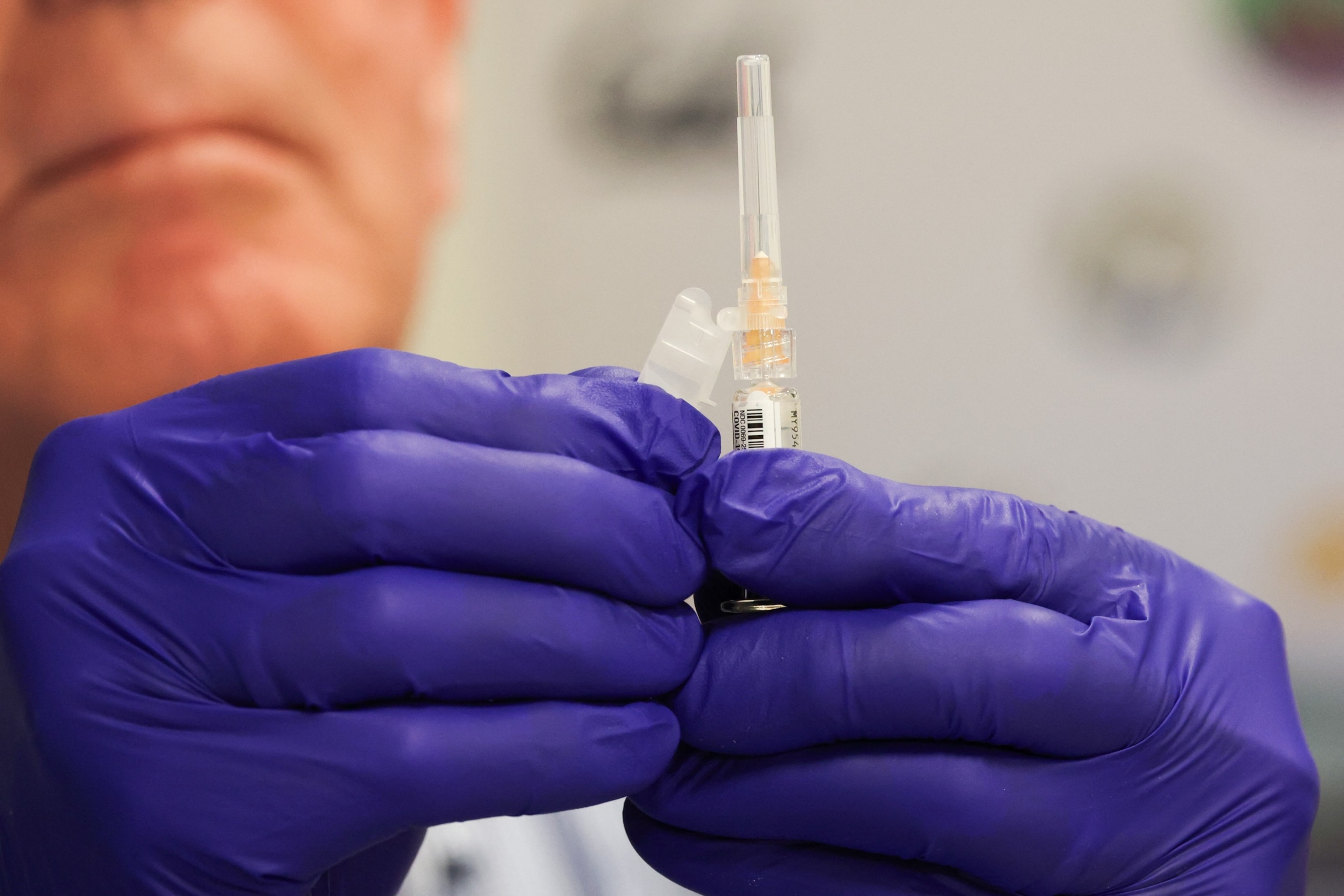
In the same year, Kennedy petitioned the U.S. Food and Drug Administration to revoke its authorization of all COVID-19 vaccines. The FDA denied the petition three months later.
Health officials say COVID-19 vaccines are safe and effective following clinical trials that involved tens of thousands of people and have since helped save millions of lives.
Offit said studies dating back to 2020, when Pfizer and Moderna first rolled out their COVID-19 vaccines, have shown the shots are safe and effective.
"The vaccine was highly effective against severe disease and over time somewhat less effective against more mild to moderate disease," he said. "But in terms of doing what it needs to do, that vaccine generally keeps you out of the hospital, keeps you out of the intensive care unit and keeps you from dying. So this is in line with what we've seen really from the start of this pandemic back in 2020."
Related Topics
Badenoch blasts 'moaning' female Labour MPs over Burnham jobs 'quota'

Kemi Badenoch has told Labour women to earn a job in Andy Burnham's Cabinet instead of demanding they are handed jobs because of their gender.
The Tory leader lashed out today amid reports that female MPs are demanding the de-facto new prime minister introduce a 50:50 gender split 'quota' in his government.
Amid reports that former foreign secretary David Miliband is being lined up to return to the role, possibly with his brother Ed as Chancellor, one female minister also complained that Burnham could not have 'more Milibands than women' in the top posts.
But in a scathing article in the Times today Mrs Badenoch told them to 'stop moaning' and get chosen on merit instead of retreating into 'more of the failed identity politics that is holding back our country'.
'There are many, many reasons why you shouldn't have any Milibands in the cabinet,' she said.
'But complaining that the boys haven't given them the right jobs or that the boys are taking all the jobs, just shows that Labour's women still don't get it.'
The idea of quotas was also attacked by Baroness Jacqui Smith, Labour's Skills Minister.
Asked by Times Radio if Mr Burnham should reserve jobs for women, she said: 'No, I think what Andy Burnham should be doing is building the very best team around him to change this country.'

A letter written by the Women's Parliamentary Labour Party has called on Mr Burnham to ensure a 50:50 split between men and women in government jobs

Amid reports that former foreign secretary David Miliband (above, right, in 2010) is being lined up to return to the role, possibly with his brother Ed as Chancellor, one female minister complained that Burnham could not have 'more Milibands than women' in the top posts

But Mrs Badenoch told them to pipe down and get chosen on merit instead of retreating into 'more of the failed identity politics that is holding back our country'
A letter written by the Women's Parliamentary Labour Party and seen by the BBC has called on Mr Burnham to ensure a 50:50 split between men and women in government jobs after he succeeds Sir Keir Starmer.
'We are asking you to demonstrate this change from day one and address the toxicity and misogyny within our own party and government,' it said.
Labour has never had a female leader, while the Conservatives have had three, and Mrs Badenoch urged the government to follow its meritocratic example.
'If you run a meritocracy, then you do not have to worry about jobs for the boys,' she wrote.
'Every woman who is a Conservative MP, every woman who has ever won the leadership, has had to fight to get where she is.
'By contrast, Labour women are demanding guarantees from Burnham. But the truth is he doesn't have to give any guarantees.
'If none of Labour's women are prepared to get their hands dirty and challenge him for the leadership, their demands are toothless.'
'In fact, it's quite revealing that the women's parliamentary Labour Party has written to Burnham asking him to commit himself to at least 50 per cent female ministers.
'This has nothing to do with meritocracy. It is yet more of the failed identity politics that is holding back our country.'