The fearless charge of Morocco’s horsewomen
 Premium
The fearless charge of Morocco’s horsewomen
For centuries, the equestrian sport of tbourida was reserved for men. Now female riders are bringing the age-old tradition to a new generation.
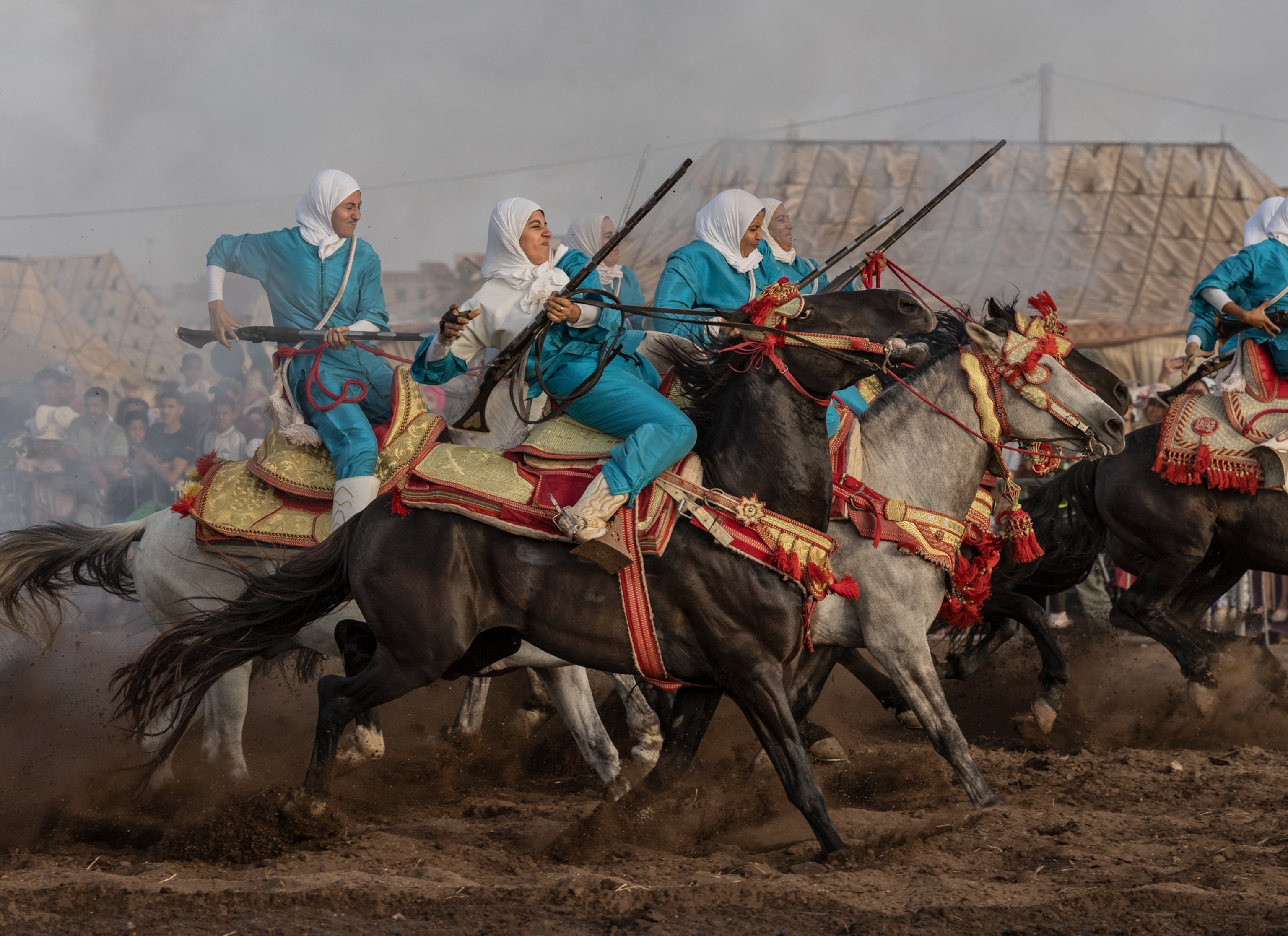
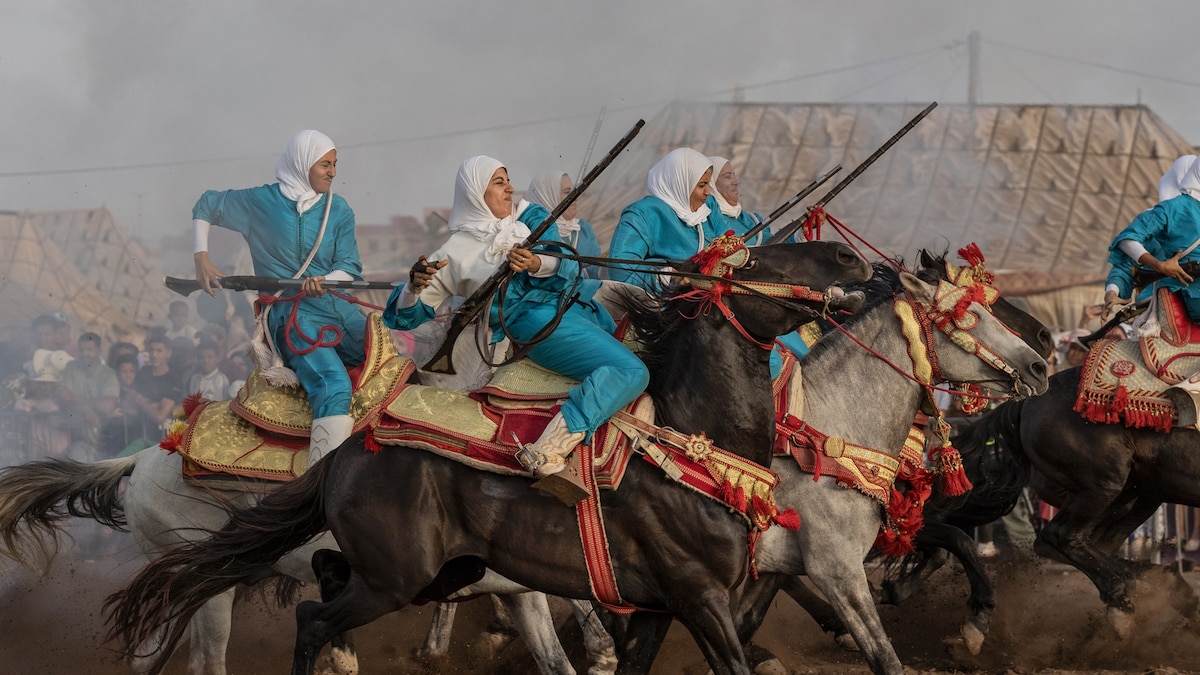
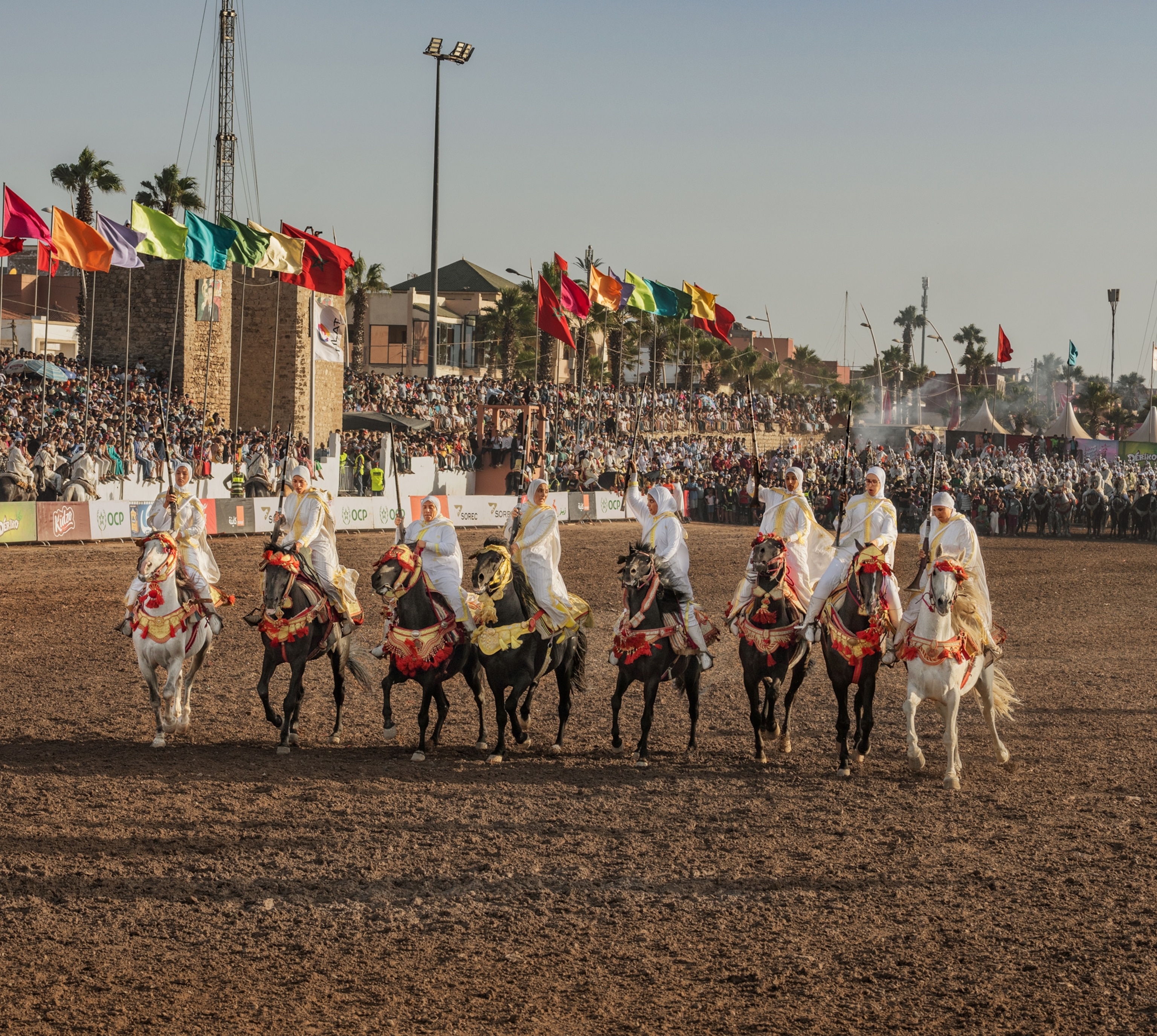
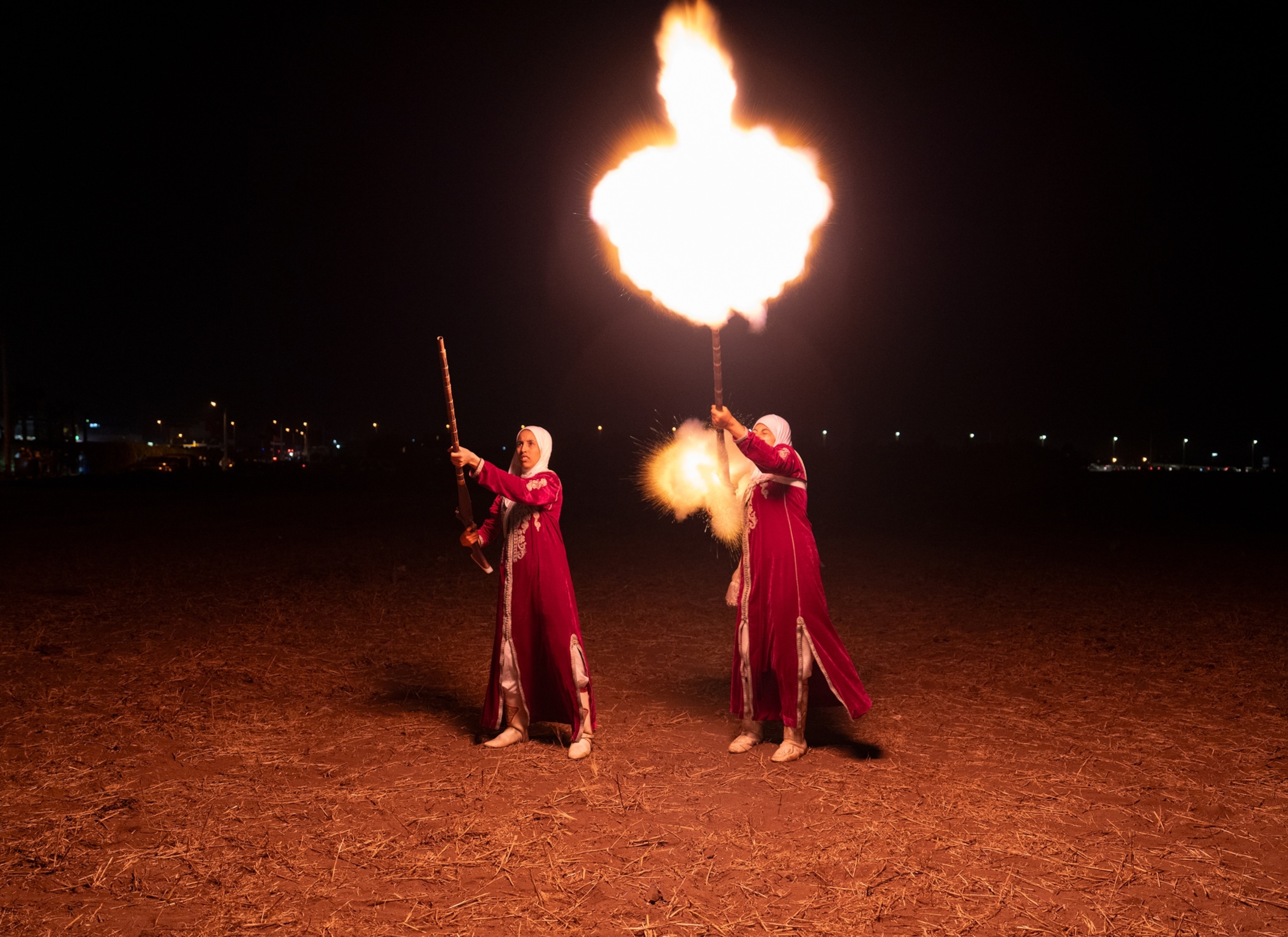
When Zahia Aboulait was a young girl, she loved nothing more than tagging along with her father to the rural Moroccan festivals called moussems, watching him perform with his tbourida troupe. Tbourida, a centuries-old equestrian tradition, is a spectator sport that finds teams of riders making a faux cavalry charge across a dirt track, leading their horses with taut, synchronized precision. The cavalcade ends when the riders—acting in unison, their horses at a gallop—raise a set of antique-style rifles and together fire a single thundering volley. The practice takes its name from the Arabic word for “gunpowder,” and although it’s performed elsewhere in North Africa, it is particularly beloved in Morocco. Aboulait’s father was a farmer who rode in a troupe as a hobby, and Aboulait, who rarely missed a moussem, loved every part of it: the smell of the horses, the crack of the muskets, the flowing and finely embroidered robes of the men.
Back then, tbourida riders were almost exclusively men. But one day in 1999, a rider in her father’s troupe didn’t show up, and Aboulait, then 14 years old, asked to take his place. She’d been riding horses since she was six, and watching and learning tbourida about as long. Her father, who encouraged his daughter’s passion, didn’t see a problem letting her ride. He lent her one of his long traditional robes, called a djellaba, and she wore it over her sweatpants and sneakers. When she pushed her luck further and asked for a gun, he gave her one and showed her how to load the black powder (no bullets). What Aboulait remembers about riding that day is how people in the crowd, who’d likely never seen a female rider, took photos of her by the hundreds.
In the 27 years since, women have gained a foothold in tbourida. These days, Aboulait is one of her country’s best known female riders, the leader of her own all-women troupe—one of no more than a dozen found across Morocco out of perhaps a thousand total troupes—and part of a small circle of veteran women who’ve helped change minds about what the tradition can look like. Now, even as tbourida videos surge on social media, putting the sport in front of new global audiences, Aboulait finds herself transitioning from a pioneer to a mentor, training the next generation of young women to carry on a custom with deep historical roots.
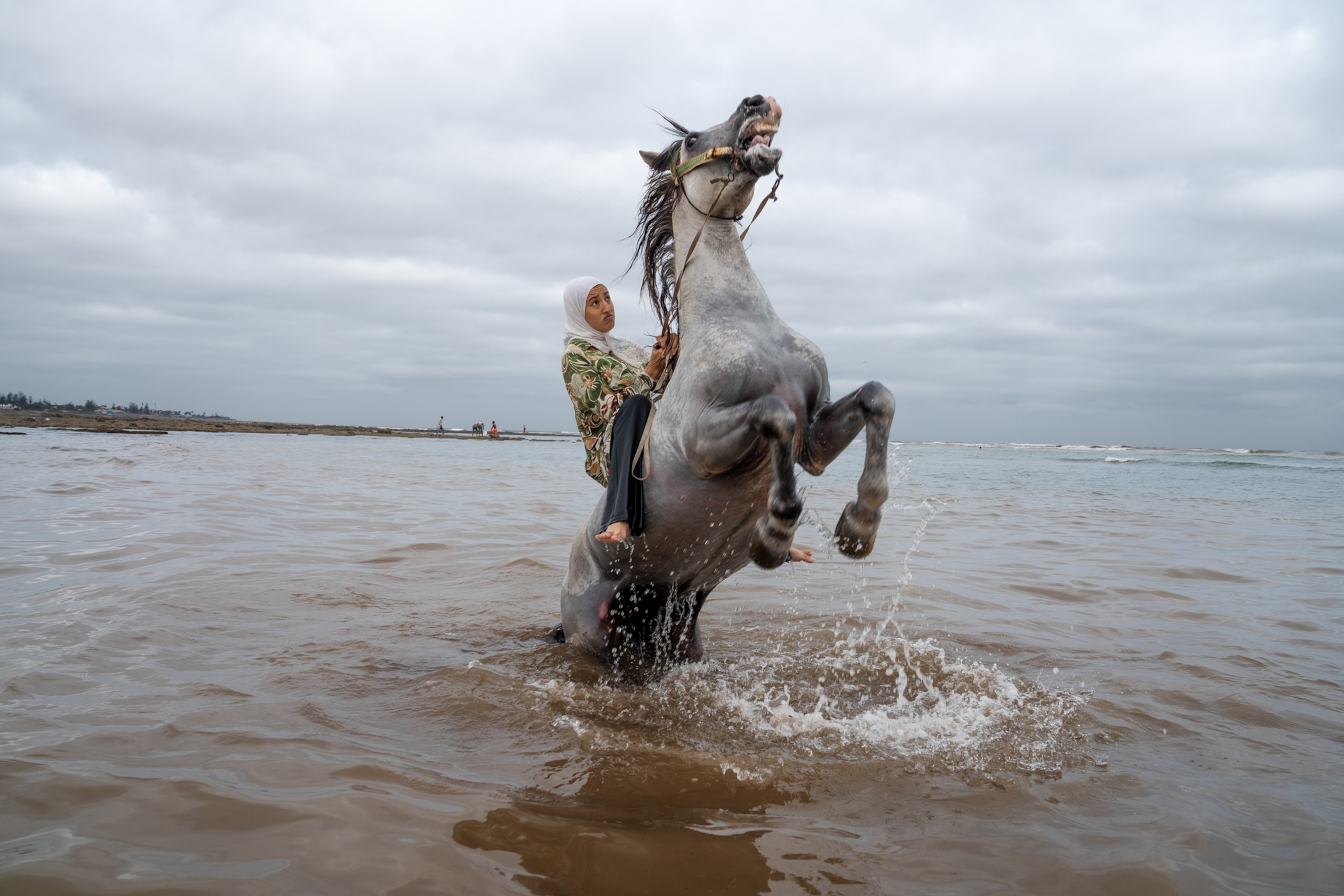
It’s a tradition, a heritage that we have to preserve.Ghita Jhiate
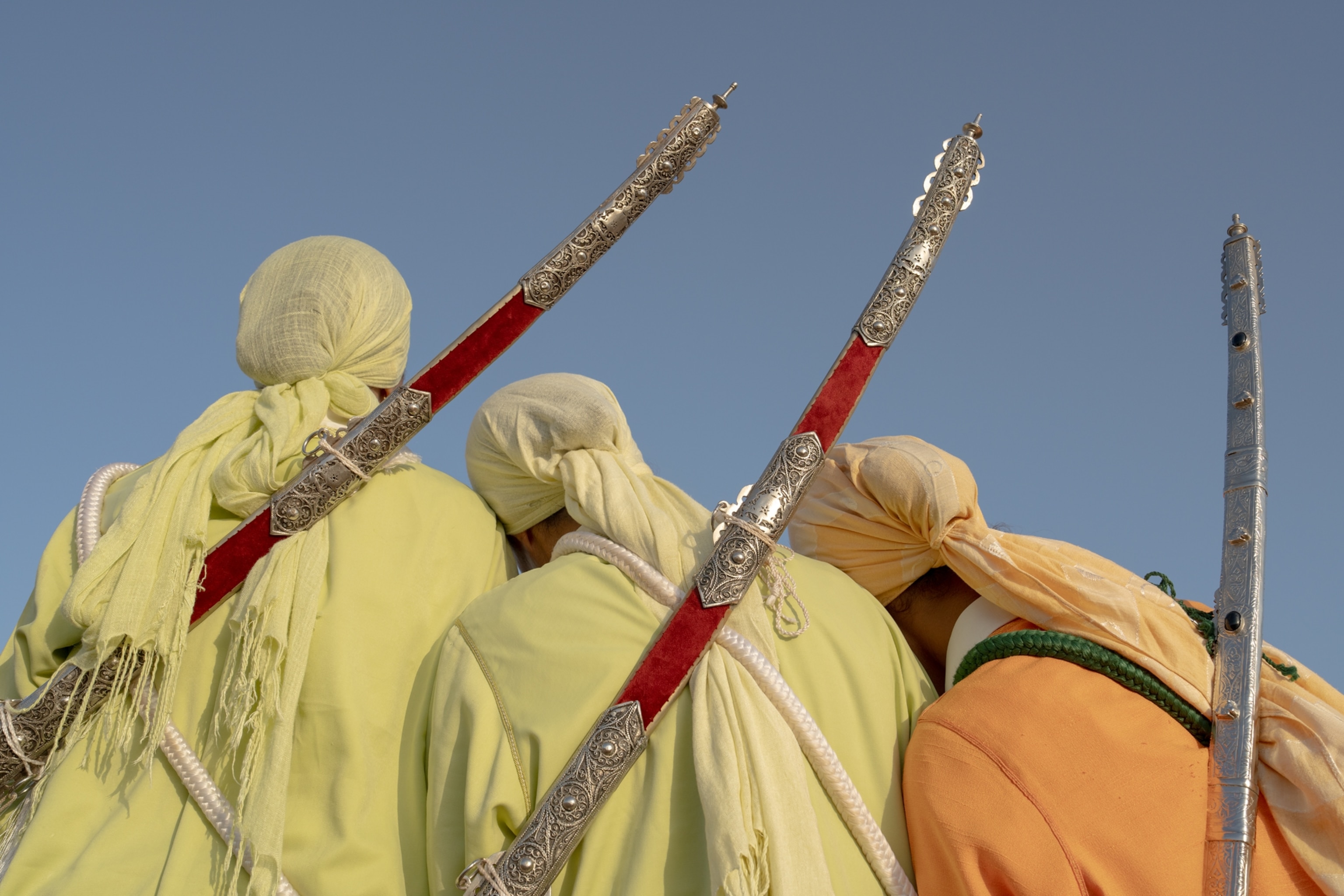
Tbourida has been practiced in Morocco since at least the 16th century, evolving from a military exercise into a sport that blends the equestrian customs of the country’s Arab and Indigenous Amazigh populations. Recognized by UNESCO as a vital piece of intangible cultural heritage, it’s sometimes known as fantasia, an exoticizing nickname bestowed by the 19th-century French and largely derided in Morocco. Participants, both human and equine, typically don elaborate traditional garb, and riders carry slender, muzzle-loading rifles that evoke an earlier era. Any given performance lasts only a few seconds, a barrage of hoofbeats and anticipation building toward that one perfect salvo. When the synchronicity of horses, riders, and rifles is perfect, the crowd erupts. Troupes are judged on their precision, pageantry, and horsemanship.
For centuries, says Rutgers University sociologist Zakia Salime, tbourida was considered “a masculine performance,” an exhibition of warrior skills from which women were traditionally excluded. The first women’s tbourida troupes, Salime says, began forming in the mid-2000s. The shift was what she calls “a quiet revolution,” not the result of protest or agitation. Nor was it precipitated by any one change to rules or policy, says University of Nebraska-Lincoln anthropologist Gwyneth Talley, a National Geographic Explorer who has studied and produced a short film on women’s tbourida troupes. The emergence of women riders did coincide, Talley points out, with a campaign by the first female president of Morocco’s national equestrian foundation, a member of the country’s royal family, to champion women’s participation in equestrian sports.
Aboulait kept riding with her father’s troupe, called a sorba, until she was in her 20s. But she was still a teenager when she founded a sorba of her own, made up of women riders (troupes with both men and women remain rare). They encountered little outright resistance, Aboulait says, and though the occasional male rider can be hostile, many are supportive and courteous, offering to lend rifles or allow her sorba to ride first.
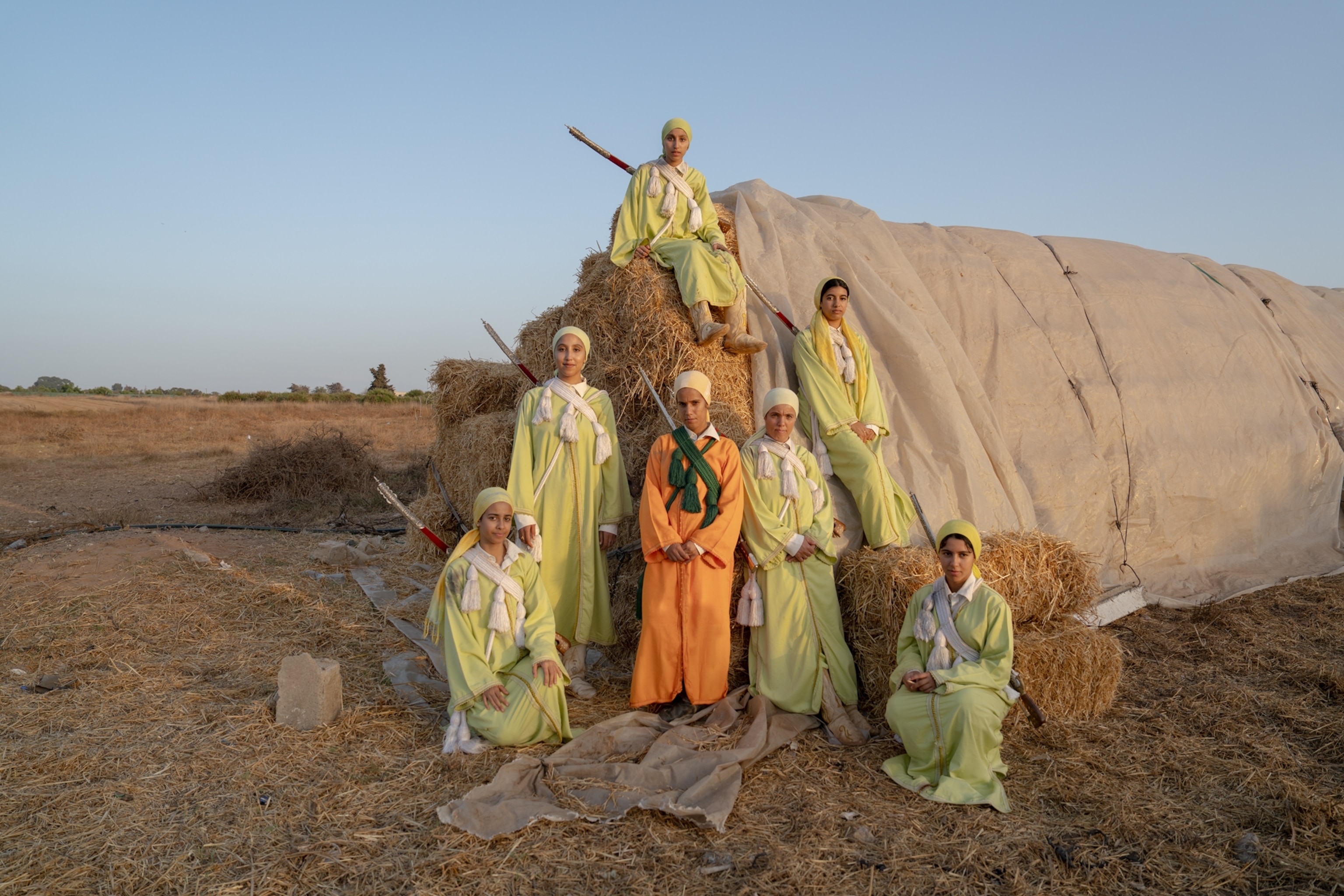
Today Aboulait lives in Casablanca, where she works in business administration and raises three children. But in the summers, she travels the moussem circuit, leading a group of younger women whom she has personally picked and trained to be tbourida riders. As troupe leader, or muqadema, she is in charge of far more than riding at the front of the line. She’s responsible for matching her riders with suitable borrowed horses when they don’t have their own. She tends to the group’s wardrobe and finances. She leads training and warm-up sessions, ensuring her riders learn to maneuver their horses and rifles in perfect sync.
Tbourida, Aboulait stresses, is all about discipline—and the payoff for her sorba’s rigor comes in its consistently high scores. “We have a very good reputation,” Aboulait says. “We must protect it.”
For 26-year-old Ghita Jhiate, who’s been riding alongside Aboulait for two years, the muqadema is more than just a role model—she is something like a legend. Growing up in urban Marrakech, Jhiate got to ride horses while visiting family in the countryside, but her father refused to let her take lessons when she was a teenager. That didn’t stop her fascination with tbourida, which Jhiate marveled at when her family went to moussems outside the city. And although Jhiate had never seen her ride, she’d heard stories about Zahia Aboulait, the region’s first female muqadema. “And I would say, ‘I want to become Zahia,’ ” Jhiate remembers.
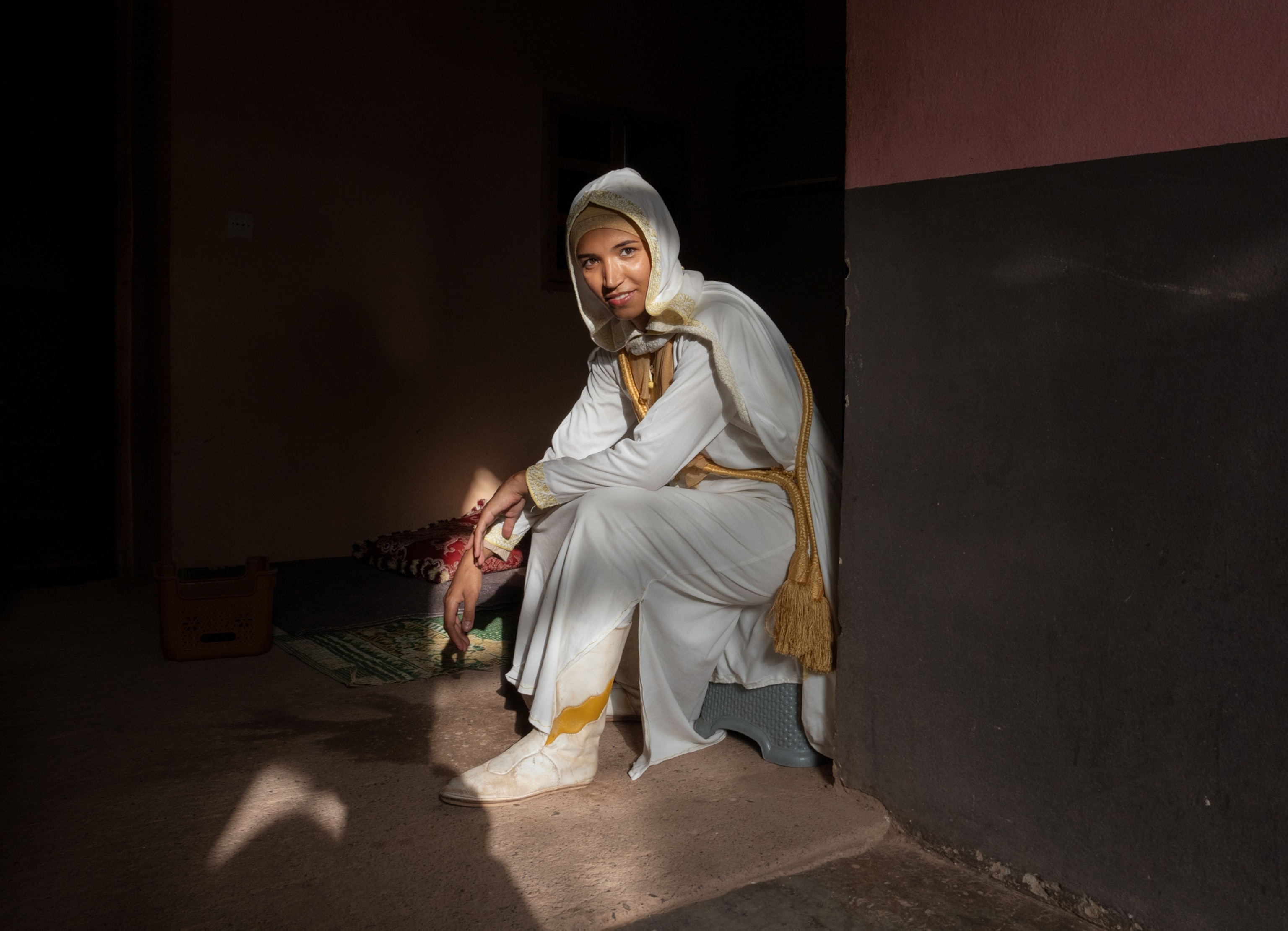
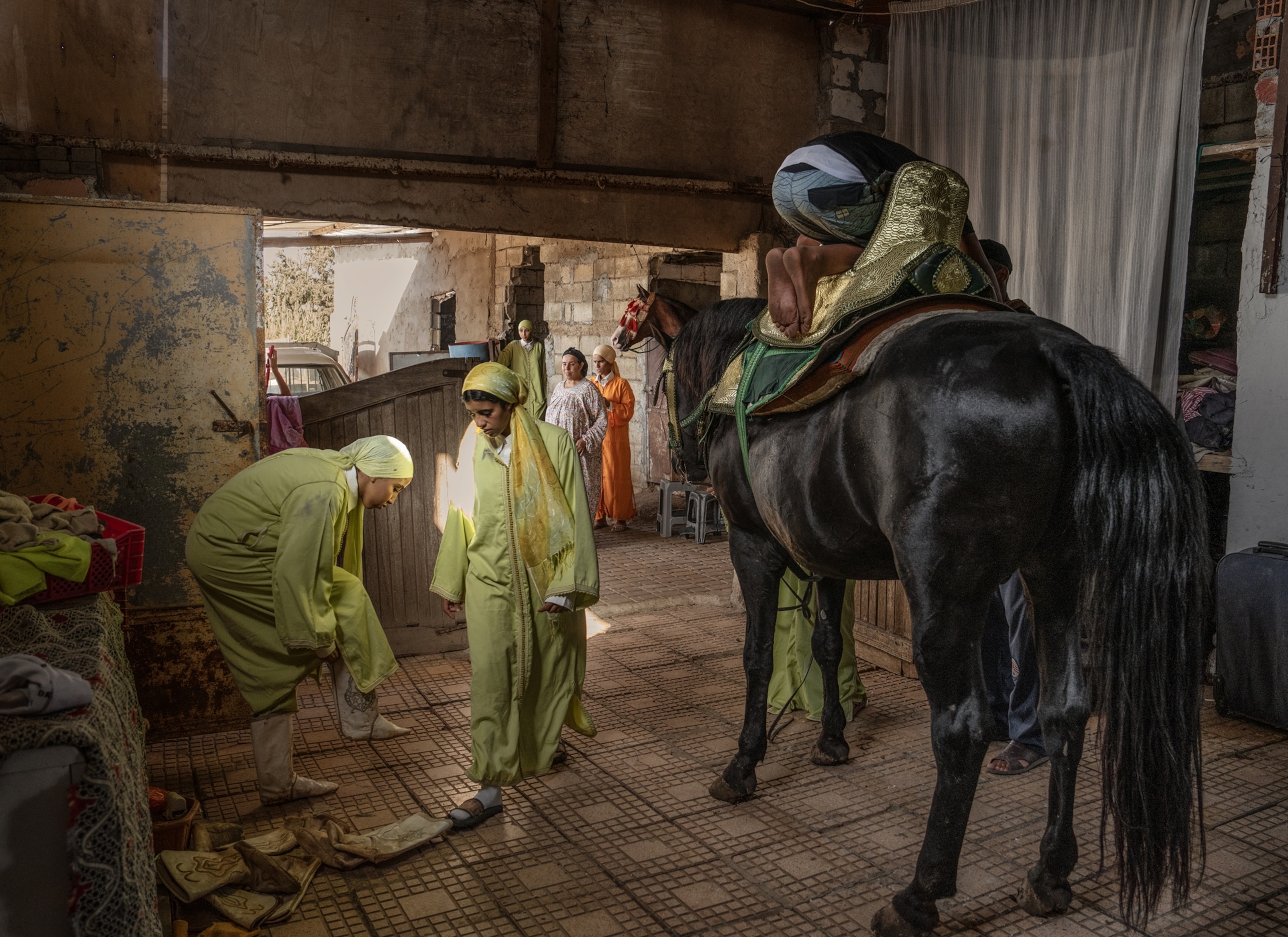
In her 20s, Jhiate bought her own tbourida rifle, called a moukahla. She finally took riding lessons, then saved enough to buy her own horse, which she boarded outside Marrakech. She named him Zher, which means “luck.”
An online acquaintance shared Aboulait’s phone number, but Jhiate never worked up the courage to call. Then one day her phone buzzed, and when she looked down, she froze—it was the muqadema calling. Aboulait had heard about Jhiate through a rider they both knew. Would the young equestrian ride with Aboulait’s sorba at one of Morocco’s largest and most prominent festivals?
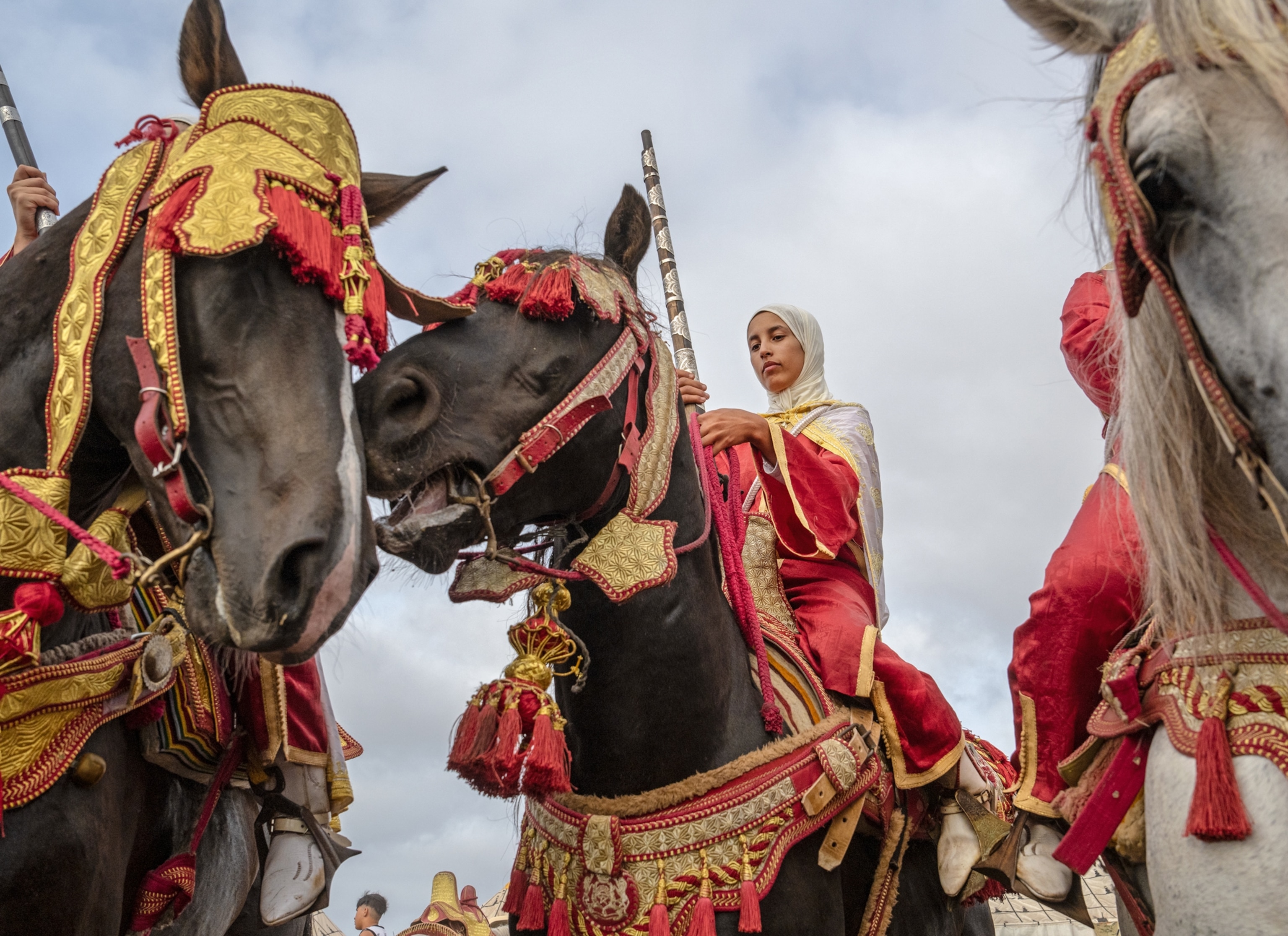
I’ve shared everything with my horse: my money, my expenses, my love, and even my moments of sadness.Hind Al-Rami
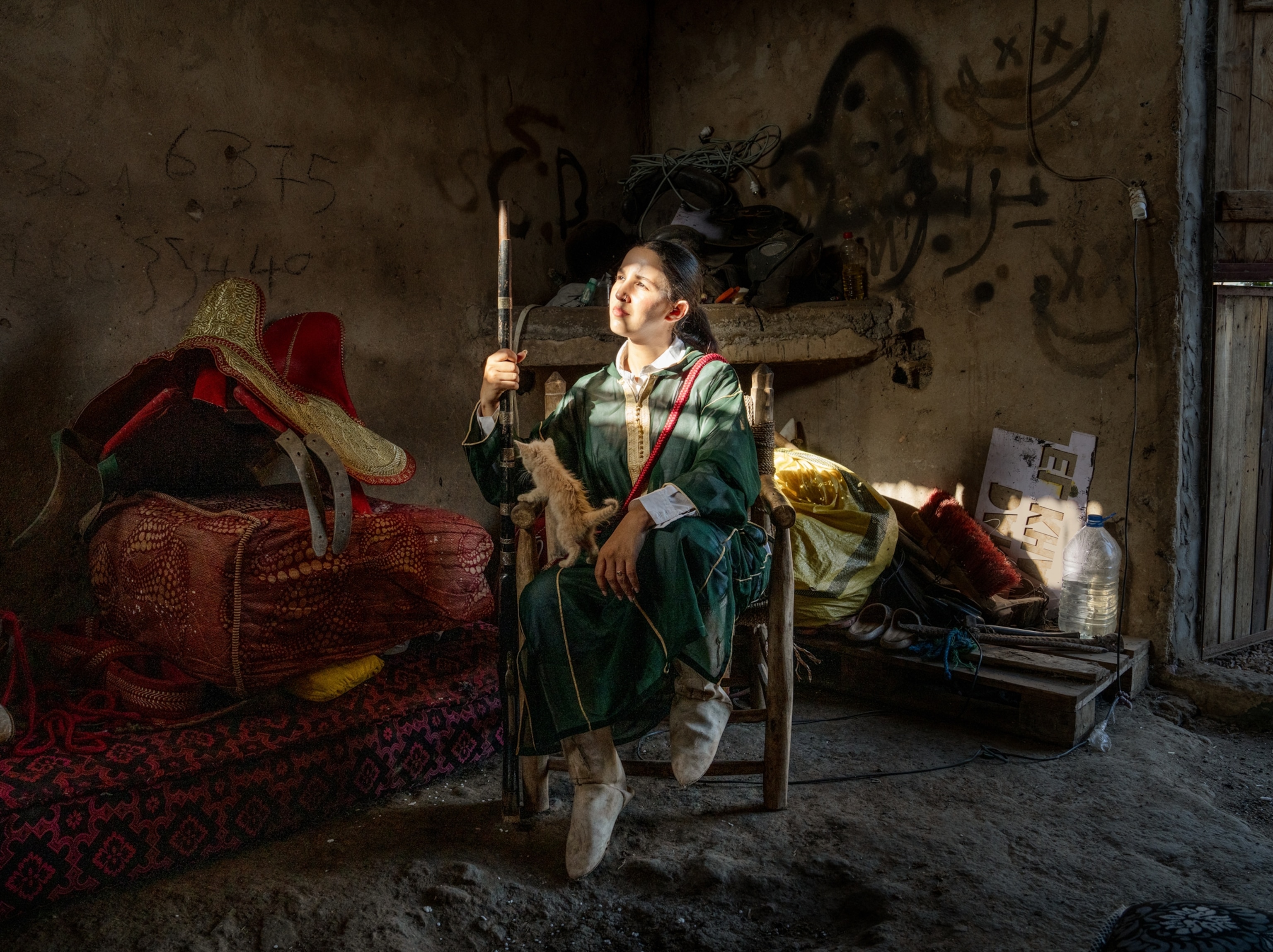
Five days later, in the middle of the night, Jhiate arrived with Zher at the Moussem Moulay Abdellah Amghar, an annual week-long event where more than a hundred tbourida teams compete before crowds of thousands. She found Aboulait waiting outside a tent she shared with the troupe. They exchanged a few words, then Jhiate went to sleep beside a group of strangers. The next day, she rode for the first time alongside her hero—and the women she now considers sisters.
Aboulait, Jhiate says, has taught her “what it means to be a rider.” She admires how her muqadema balances family, career, and an infectious devotion to the sport. “When we turn around and we find Zahia happy,” Jhiate says, “when we find her laughing, we are happier than her.”
Aboulait has purposely kept her troupe small. Some sorbas have over two dozen riders; hers currently has fewer than a dozen. These days, she says, she meets young people whose interest in the sport seems driven by the prospect of posting pictures and videos to social media, where the short, colorful spectacle of tbourida plays well. Aboulait says she prefers troupe members who are in it for the work. Her sorba does take videos of its performances—not necessarily to post but to watch afterward, like game tape, studying what the members could improve.
It makes you proud. Apart from the sporting aspect, there is something Moroccan about it, something that belongs to us.Zahia Aboulait
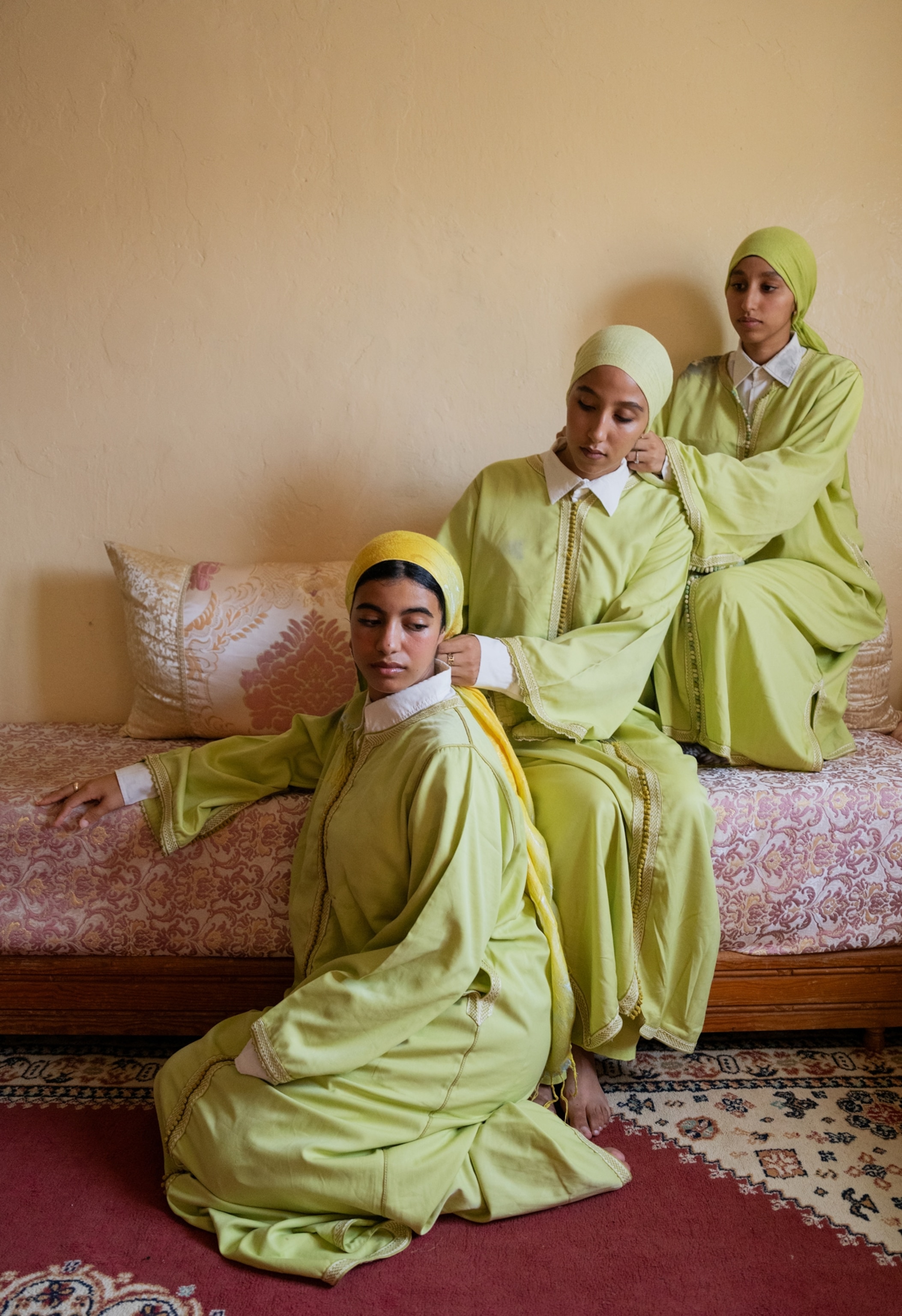
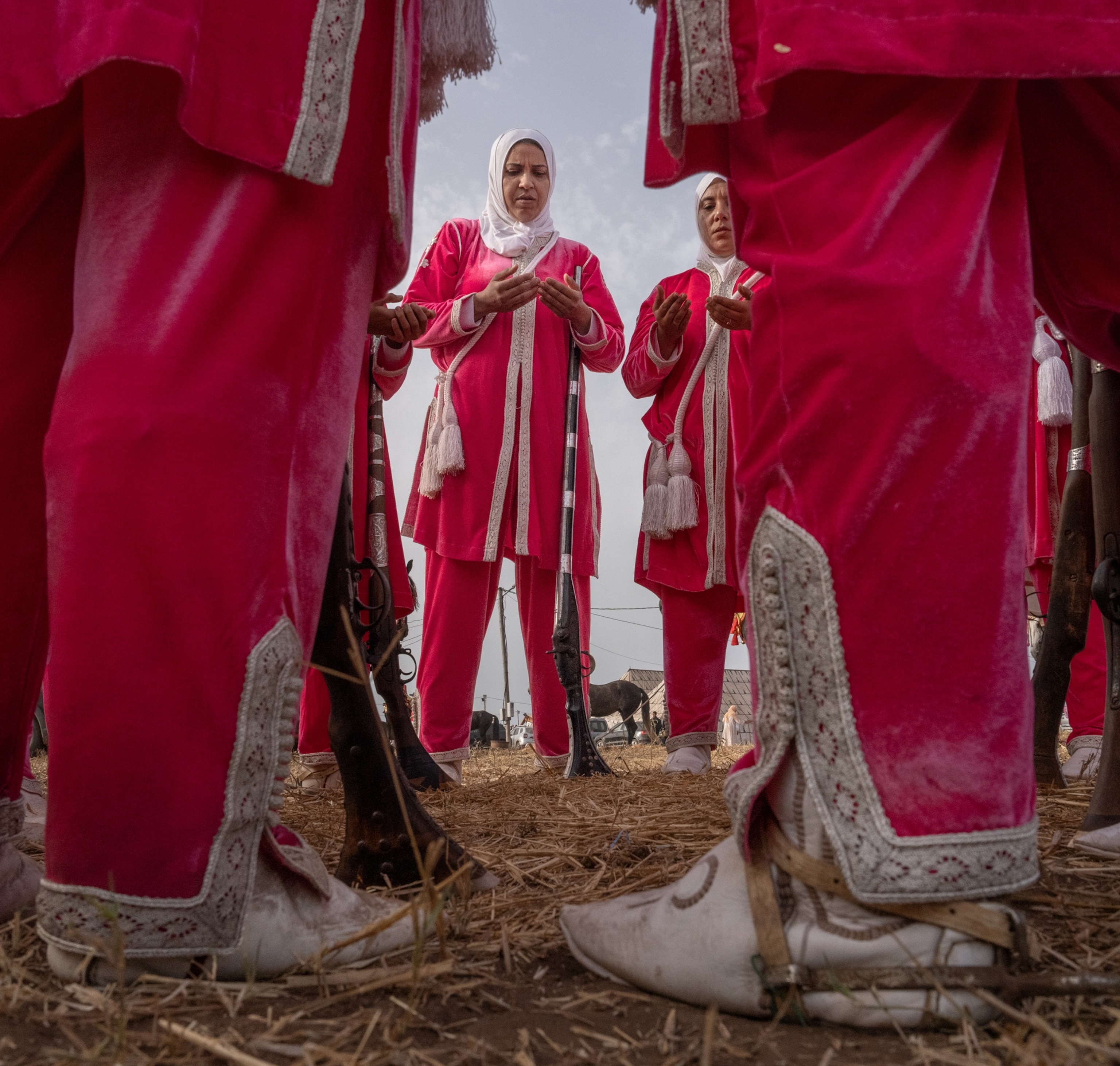
Before each ride, the group washes together, the Muslim ritual cleansing called wudu. Then the women say a dua, or prayer, asking for a safe ride. It’s important, Aboulait says, that they get on their horses with peaceful minds and with harmony among the riders. They wear sunscreen but not makeup, which Aboulait says would shift attention to individuals rather than the group. She mourns some of what she sees as modern erosions of the tbourida tradition. For example, she says, boys used to have to learn much more before being allowed to ride. Leaders of sorbas were expected to be ceremonious hosts in their moussem tents, providing guests with food. It’s not so much that Aboulait is nostalgic, she says, as that she is simply protective of standards.
And after all these years, she doesn’t think of herself as being particularly revolutionary for having helped bring women into the sport. One of the beautiful things about tbourida, Aboulait says, is that it erases differences among its participants. At moussems, a roster of a hundred troupes might include only a couple composed of women, but she feels a kinship with all of her fellow riders. Tbourida brought her and her father together. These days it is cementing bonds between her and her young protégées. “Age, social, cultural,” she says. “Everybody speaks the same language.”
Badenoch blasts 'moaning' female Labour MPs over Burnham jobs 'quota'

Kemi Badenoch has told Labour women to earn a job in Andy Burnham's Cabinet instead of demanding they are handed jobs because of their gender.
The Tory leader lashed out today amid reports that female MPs are demanding the de-facto new prime minister introduce a 50:50 gender split 'quota' in his government.
Amid reports that former foreign secretary David Miliband is being lined up to return to the role, possibly with his brother Ed as Chancellor, one female minister also complained that Burnham could not have 'more Milibands than women' in the top posts.
But in a scathing article in the Times today Mrs Badenoch told them to 'stop moaning' and get chosen on merit instead of retreating into 'more of the failed identity politics that is holding back our country'.
'There are many, many reasons why you shouldn't have any Milibands in the cabinet,' she said.
'But complaining that the boys haven't given them the right jobs or that the boys are taking all the jobs, just shows that Labour's women still don't get it.'
The idea of quotas was also attacked by Baroness Jacqui Smith, Labour's Skills Minister.
Asked by Times Radio if Mr Burnham should reserve jobs for women, she said: 'No, I think what Andy Burnham should be doing is building the very best team around him to change this country.'

A letter written by the Women's Parliamentary Labour Party has called on Mr Burnham to ensure a 50:50 split between men and women in government jobs

Amid reports that former foreign secretary David Miliband (above, right, in 2010) is being lined up to return to the role, possibly with his brother Ed as Chancellor, one female minister complained that Burnham could not have 'more Milibands than women' in the top posts

But Mrs Badenoch told them to pipe down and get chosen on merit instead of retreating into 'more of the failed identity politics that is holding back our country'
A letter written by the Women's Parliamentary Labour Party and seen by the BBC has called on Mr Burnham to ensure a 50:50 split between men and women in government jobs after he succeeds Sir Keir Starmer.
'We are asking you to demonstrate this change from day one and address the toxicity and misogyny within our own party and government,' it said.
Labour has never had a female leader, while the Conservatives have had three, and Mrs Badenoch urged the government to follow its meritocratic example.
'If you run a meritocracy, then you do not have to worry about jobs for the boys,' she wrote.
'Every woman who is a Conservative MP, every woman who has ever won the leadership, has had to fight to get where she is.
'By contrast, Labour women are demanding guarantees from Burnham. But the truth is he doesn't have to give any guarantees.
'If none of Labour's women are prepared to get their hands dirty and challenge him for the leadership, their demands are toothless.'
'In fact, it's quite revealing that the women's parliamentary Labour Party has written to Burnham asking him to commit himself to at least 50 per cent female ministers.
'This has nothing to do with meritocracy. It is yet more of the failed identity politics that is holding back our country.'
Venezuela Fury and Noah Price subsidising their life by livestreaming

Venezuela Fury and her husband Noah Price look to be making their own way in the world by raking it in from their lucrative social media accounts.
The influencer daughter of Tyson and Paris Fury, 16, has become an internet sensation after tying the knot with her husband Noah, 19, earlier this year.
Since getting married and moving in together the couple have been earning thousands of pounds a month, livestreaming their life as newlyweds in their static caravan in the East Riding of Yorkshire.
And fans can't get enough of their regular life updates on TikTok and Kick, which have proved to be very profitable for the pair.
They look to be supporting themselves after Noah denied that he was given £5million by Venezuela's family as a wedding gift.
Despite his wife's huge family wealth, an estimated combined £160 million, Noah recently told his Kick followers that he 'pays for everything' for the couple.
Making light of the claims about Venezuela's millionaire financial status, Noah said: 'I actually pay for everything unfortunately. You'd expect the millionaire to pay for it wouldn't you.'

Venezuela Fury and Noah Price are earning thousands livestreaming their caravan life - after her new groom insisted he pays all the bills and denied he had £5m handout from her dad

The influencer daughter of Tyson and Paris Fury , 16, has become an internet sensation after tying the knot with her husband Noah, 19, earlier this year
Venezuela then asked their fans: 'Do you think I am a millionaire?'
Noah joked: 'She isn't a secret millionaire guys', before she broke into song and sang: 'But I live like a millionaire!'
But it seems according to estimated calculations from their social media work, Noah and Venezuela can more than afford to support themselves.
Noah has been livestreaming on platforms such as Kick and TikTok, where viewers can send paid gifts or donations.
He was previously encouraging viewers to send gifts on his honeymoon during livestreams, suggesting this is one revenue stream.
Both Noah and Venezuela have built substantial followings on Instagram and TikTok. They can potentially earn money through sponsored posts, brand collaborations, affiliate links and creator payouts.
Kick allows its creators to take home 95 per cent of the £4.99 subscription cost that fans pay.
Streamers keep 100 per cent of direct tips and donations, minus minor standard payment processing fees.
It is unclear how many subscribers Noah currently has because this information is hidden, but he does have 7,200 followers which is publicly viewable.
An industry insider has suggested Noah is making around £400 per video on TikTok, while Venezuela is likely to make £2,000 due to her following count of 1.3 million.

An industry insider has suggested Noah is making around £400 per video on TikTok, while Venezuela is likely to make £2,000 due to her following count of 1.3 million
In one video on their honeymoon, Noah asked his followers if they'd give them some more gifts now that they were married.
In a TikTok live viewed by 20,000 he said: 'Keep liking our videos people, keep sending gifts.'
After saying thank you to several of his followers he joked they should stick around on the livestream and 'watch Venezuela punch me in the mouth'.
The other half of the honeymooning couple said: 'I am, honestly!'
Noah previously confirmed that the pair don't share their finances after they were asked whether they have a shared bank account.
'She earns her money, I earn mine,' said Noah, as Venezuela joked: 'Yeah, what you gonna do about it.'
Noah went on to debunk the rumour that Tyson gave him £5million when he tied the knot with his daughter as he insisted: 'No Tyson did not give me £5million'.
Meanwhile Venezuela is being eyed up by executives for a fly on the wall TV series.

Noah went on to debunk the rumour that Tyson gave him £5million when he tied the knot with his daughter as he insisted: 'No Tyson did not give me £5million'
Boasting 1.3 million TikTok followers, Venezuela is already entertaining fans with her honest musings and candid moments, from cooking to kitting out her and Noah's static caravan home.
And following the success of the Netflix series At Home With The Furys, it is no wonder bosses are wanting to draw on the Fury popularity.
A TV insider said: 'The couple are not A-list celebrities but everyone has become obsessed with their love story.
'People are genuinely intrigued by them. Whether it’s the fact they have married so young, Venezuela’s famous family or their gypsy lifestyle, they have the ‘X factor'.
'Several TV executives think a proper fly-on-the-wall series following their lives as newlyweds in the gypsy community would be fascinating,' they told The Sun.
It is thought Netflix would be likely to produce the series due to their already established relationship with the Furys.
Venezuela's representatives told The Daily Mail: 'We have many offers on the table regarding Venezuela which we are discussing.'