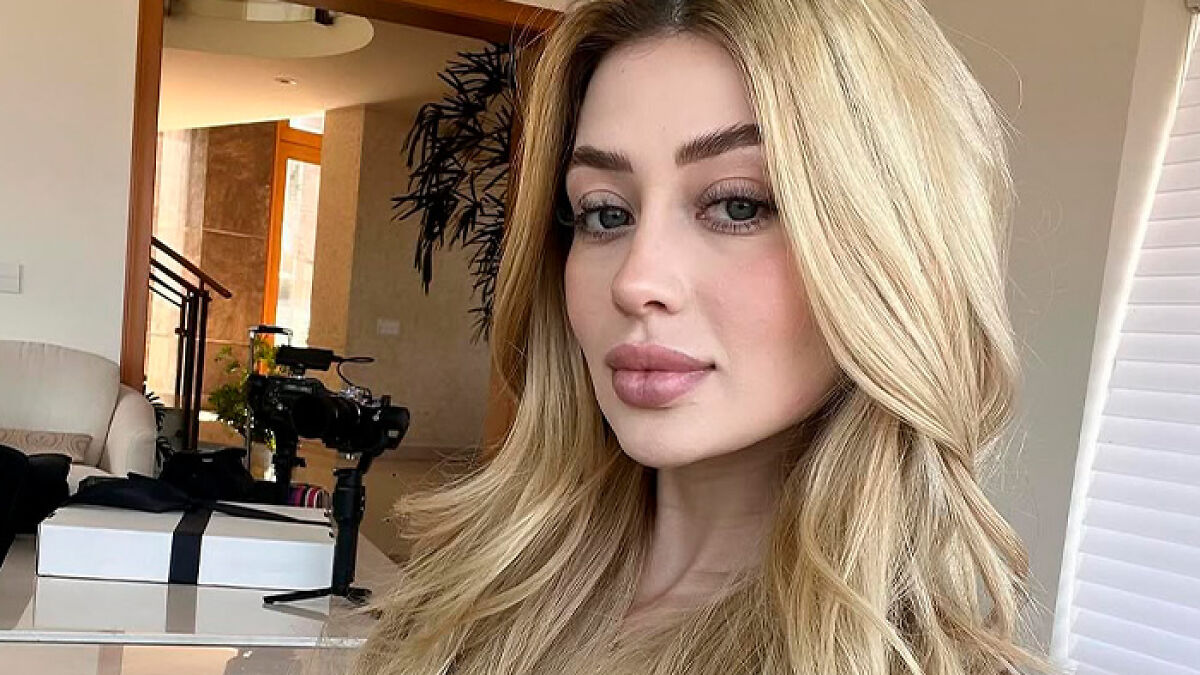
Beauty Influencer Went Live From Her Salon, And Moments Later The World Watched An Unbelievable Tragedy
 Crime, SocietyPublished Jul 01, 2026
 Beauty Influencer Went Live From Her Salon, And Moments Later The World Watched An Unbelievable Tragedy
 Abel Musa Miño Entertainment News Writer 0
 More than a year has passed since 23-year-old Valeria Márquez went live on TikTok from her beauty salon in Zapopan, Jalisco, only to broadcast her own homicide to her followers.
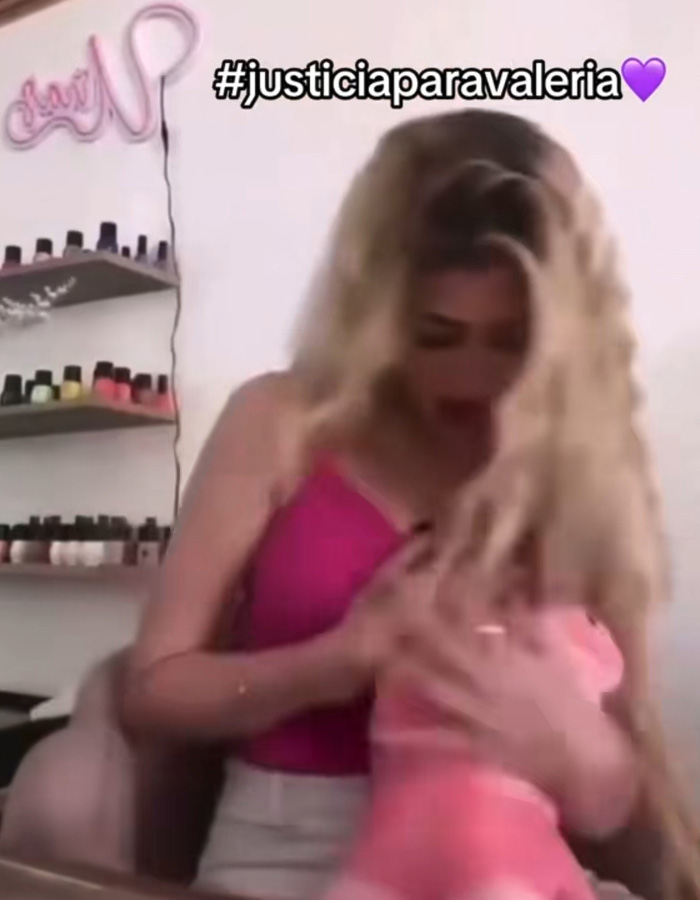
The beauty influencer was holding a pink stuffed animal and waiting for a gift as viewers watched from their phones. Then she grew uneasy about the courier as the man refused to leave the property.
Highlights- Valeria Márquez was livestreaming from her beauty salon when a man posing as a delivery driver entered, confirmed her identity, and opened fire.
- The 23-year-old model had previously shown followers bruises and warned that something could happen to her or her family after alleged threats from an unidentified partner.
- More than a year later, no culprit has been arrested, while US authorities identified a Cartel commander as the main suspect.
“Why didn’t he just drop it off? Were they going to pick me up or what?” were her last words.
Moments later, she collapsed on camera.
Her case remains one of the most disturbing examples of gender-based violence in recent Mexican memory. For months, no one has been able to explain with certainty who ordered the attack or why she was targeted.
But while law enforcement struggles to find an answer, for Valeria’s friends and family the truth is an open secret.
She was targeted by a cartel.
RELATED:A beauty influencer streamed her own homicide after enduring months of domestic violence

Image credits: v___marquez/Instagram
Disclaimer: This story covers violent gender-based crimes. Reader discretion is advised.
Valeria Márquez first became known in Jalisco in 2021, when she won Miss Rostro, a local beauty pageant that placed her in front of cameras long before her final moments were seen by thousands of people online.
At the time, the title seemed to open a bright path for the 19-year-old Mexican model. She soon began building a social media presence around beauty, fashion, travel, and personal care.
Over the next few years, Márquez became one of the many young influencers whose lives blurred business, visibility, luxury, and risk. Beyond her beauty content, her accounts started showing private jets, yachts, restaurants, and expensive outfits.
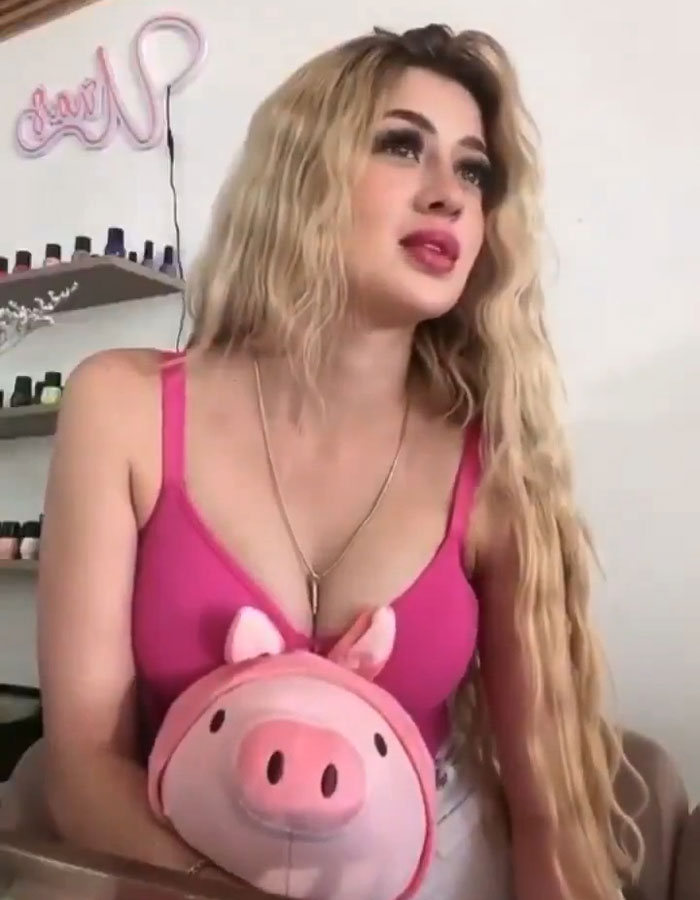
Image credits: www.instagram.com
By 2025, she had more than 223,000 followers on Instagram and another 100,000 on TikTok. She also owned the Blossom The Beauty Lounge, a salon in Zapopan, Jalisco, where she worked and regularly went live for her audience.
To her followers, Márquez’s world appeared aspirational. But after her passing, reports and screenshots began to paint a much darker picture, one involving alleged threats, bruises, jealousy, and fear.
It was then that many of her viewers started suspecting something, or someone, else was behind the model’s rise to fame and riches.
Valeria’s followers believe she had entered into a relationship with a powerful cartel member
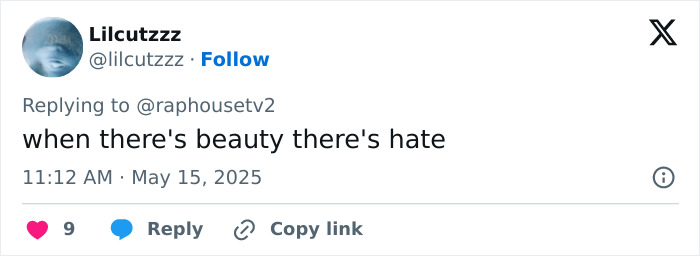
Image credits: lilcutzzz
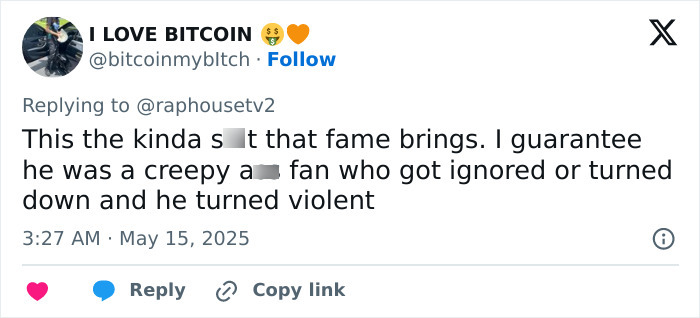
Image credits: bitcoinmybItch
Sometime after her pageant win, Valeria entered a relationship with an unidentified man. At some point, the two began living together, while Valeria eventually became the owner of her salon at just 23 years old.
The relationship was violent.
Valeria regularly showed her followers bruises and wounds she said she had sustained during previous fights with him.
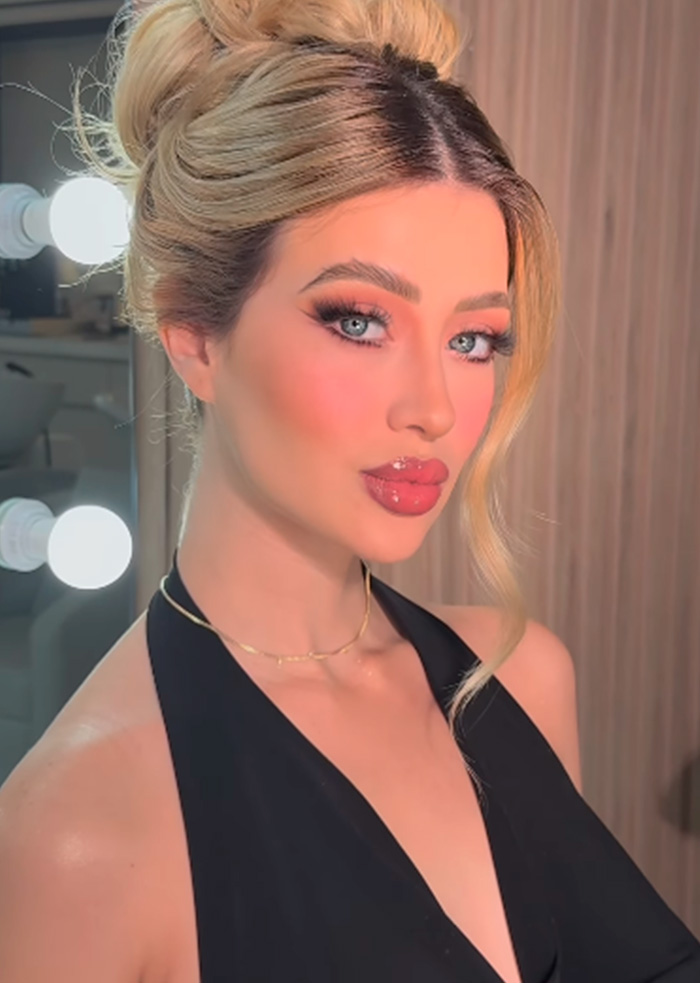
Image credits: universebeautystudio
That violence allegedly escalated in the days before her homicide, when the model warned her audience that something could “happen to me or my family,” and said her partner, whom she had started describing as an ex, had threatened her.
The same posts suggested the man had connections to local nightlife. Márquez said he had pulled strings at Spade, a nightclub, to have her removed after she went out with friends.
“He didn’t like the fact that I was having fun,” Valeria wrote, adding that the person who asked her to leave pleaded with her to do so because they “didn’t want to be in trouble with him.”
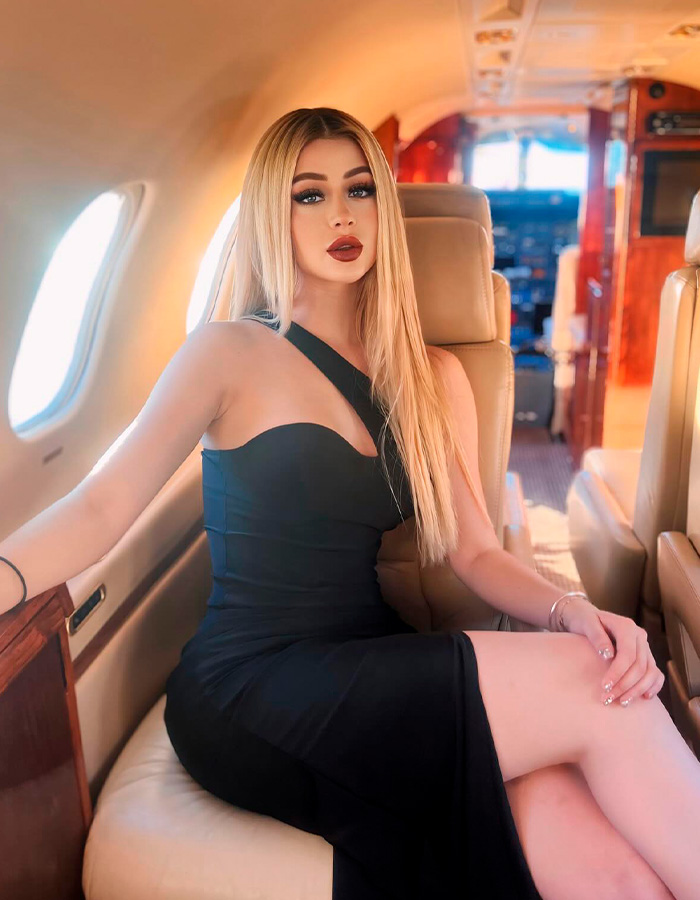
Image credits: www.instagram.com
While the identity of the man has not been confirmed, in June 2025 the US Treasury sanctioned the leaders of the Jalisco Nueva Generación Cartel (CJNG). Among the members was a man mentioned as the main suspect in Valeria homicide.
Ricardo Ruiz Velasco, also called “El Tripa” or “Double R,” a high-ranking member of the criminal organization with influence in Jalisco and nearby states.
Despite the US findings, Jalisco prosecutors later said they had no data publicly linking him in the case.
Valeria’s salon was located in Zapopan, an affluent but violent municipality where cartel influence was an open secret
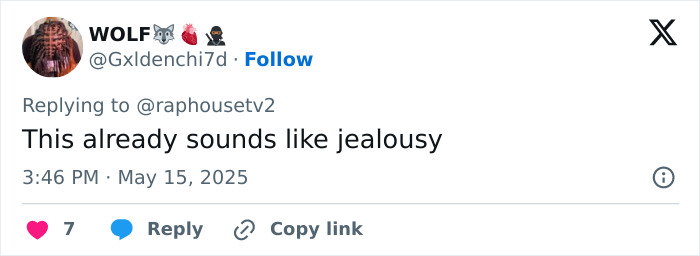
Image credits: Gxldenchi7d
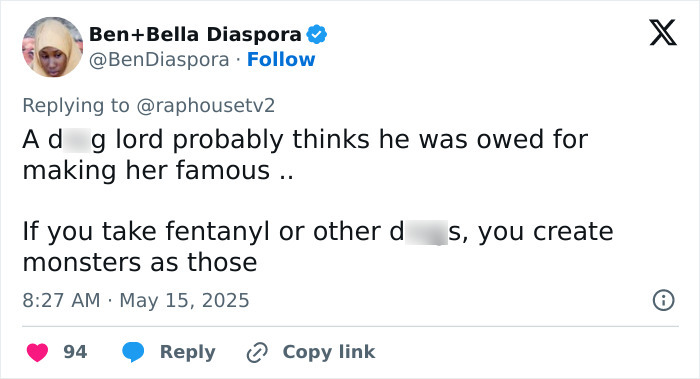
Image credits: BenDiaspora
Zapopan Mayor Juan José Frangie later said his office had no record of Valeria asking authorities for help over threats before her homicide. He also described femicide as “the worst thing.”
On Tuesday (May 13), Valeria went live from Blossom The Beauty Lounge in the Real del Carmen neighborhood of Zapopan.
Part of the Guadalajara metropolitan area, it is one of the most violent municipalities in Jalisco. Shootings have taken place in its luxury shopping centers, and the broader region has long carried the weight of cartel money, disappearances, and organized crime.
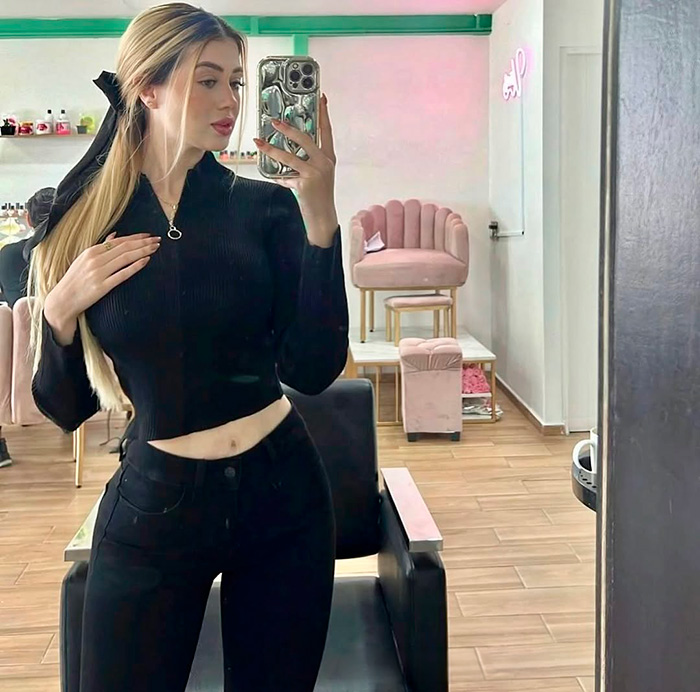
Image credits: valeria_marquez00
During the livestream, Márquez told viewers she was waiting for a courier who was supposed to deliver a gift. She said a friend could not see the courier’s face when he arrived, and the detail seemed to unsettle her.
Authorities later said at least two men reached the area on motorcycles. One entered the salon pretending to be a delivery driver. He asked if she was Valeria.
When she confirmed, he pulled out a firearm and took her life.
Reports differ on whether Valeria was fired at twice or three times, with accounts describing wounds to the chest, torso, and head. On the livestream, she was seen grabbing her chest and belly, and collapsing into her chair.
A person then picked up Valeria’s phone. Their face briefly appeared on the stream before the broadcast ended.
Valeria’s homicide happened around the same time two Mexican politicians lost their lives to firearm attacks

Image credits: www.instagram.com
The attack was reported at approximately 6:30 pm.
Municipal police responded after receiving emergency calls and confirmed Valeria at the scene. The Jalisco State Prosecutor’s Office opened an investigation under femicide protocol.
President Claudia Sheinbaum, who was elected on June 2, 2024, and made history as Mexico’s first female president, later said an investigation was underway.
“We’re working to catch those responsible and find out why this happened,” she said.
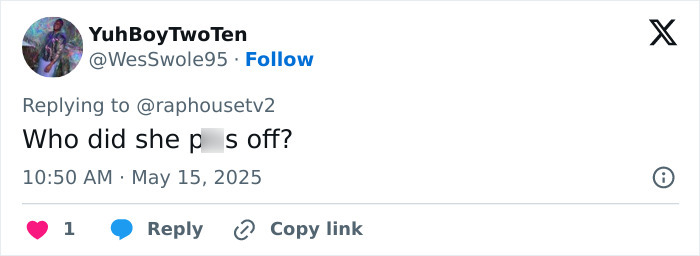
Image credits: WesSwole95
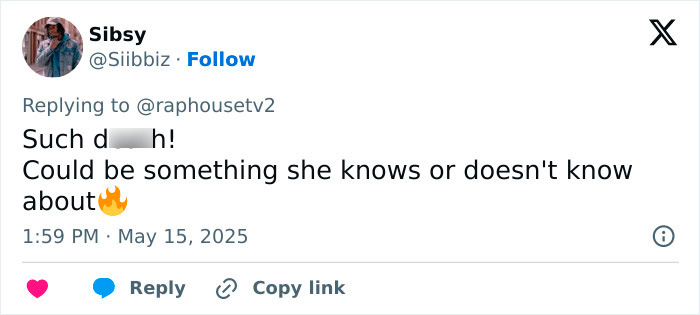
Image credits: Siibbiz
The same day Márquez was attacked, former congressman Luis Armando Córdova Díaz lost his life to hitmen just a few kilometers away.
Less than 48 hours before Valeria’s homicide, Yesenia Lara Gutiérrez, a mayoral candidate for Morena in Texistepec, Veracruz, was fatally wounded during a political motorcade. That attack was also captured on camera because the event was being livestreamed on Facebook.
Authorities have not confirmed any connection between the cases, but the timing sent an undeniable message.
Nothing happens in Jalisco without the CJNG’s approval.
Despite US authorities identifying a suspect in the crime, no culprit has been arrested
In Jalisco, investigators began reviewing CCTV footage, Valieria’s livestream, phone records, social media accounts, and the logistics of the delivery that had brought the culprit to her salon. The available facts suggested a coordinated and targeted attack.
What remained unclear was who ordered the hit and why.
By then, the theory that identified CJNG member “El Tripa” as Valeria’s boyfriend had already spread.
The Jalisco State Prosecutor’s Office was swift to reject the idea.
“With regard to press reports that directly mention certain names in connection to the homicide, the Office wishes to clarify that there is currently no formal mention of any specific individual in the case file at this time,” the statement read.
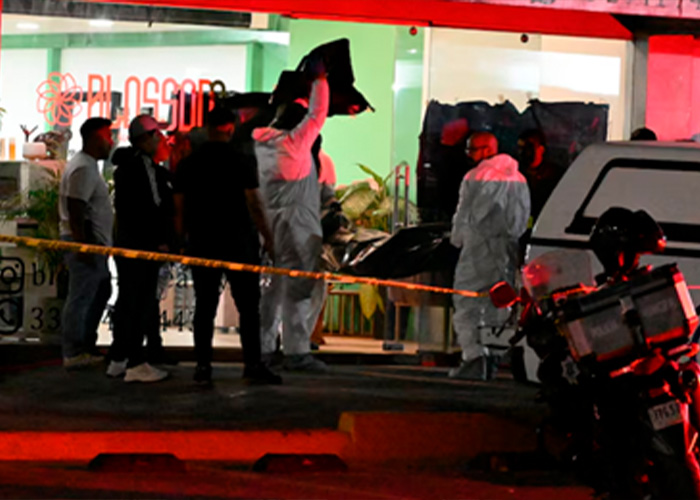
Image credits: U.S. Department of the Treasury
Authorities said digital materials, including social media posts and video footage, were being analyzed, but no suspect had been named. They reiterated that the case was being handled under Jalisco’s femicide protocol and asked the public and the media to stop spreading unverified claims.
The contradiction deepened after the United States Treasury cited Valeria’s homicide while announcing sanctions against CJNG leaders in June 2025.
US authorities named Ricardo Ruiz Velasco as a cartel commander and described him as the prime suspect in the attack, while also saying CJNG used targeted hits on women as a tool of intimidation.
Jalisco prosecutors pushed back.
They said they had no data linking Ruiz Velasco to the femicide and would seek more information from US officials about where that conclusion came from.
As fears grew that justice would never come, Valeria’s followers launched their own digital manhunt
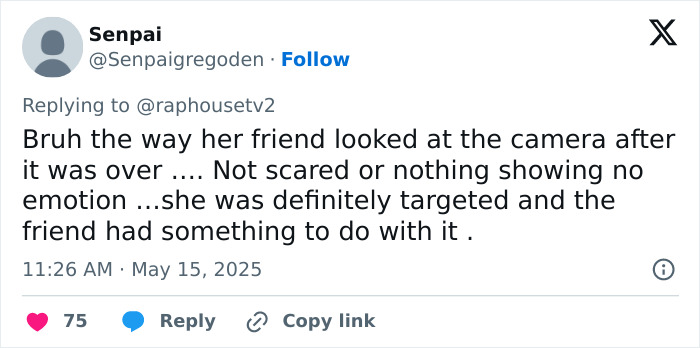
Image credits: Senpaigregoden
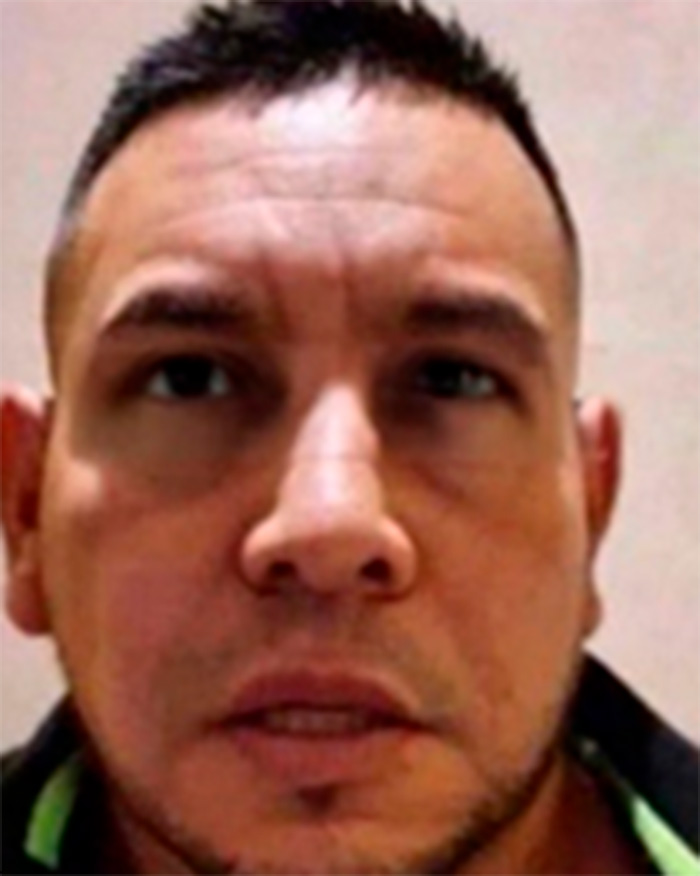
Image credits: U.S. Department of the Treasury
That uncertainty left the case suspended between two realities. On one side was the undeniable presence of cartel power in Jalisco, where CJNG emerged and where 15,000 people have disappeared since 2018.
Two months before Valeria was attacked, a suspected CJNG training site was found at Rancho Izaguirre in Teuchitlán, about 50 kilometers from Zapopan, after a search group followed an anonymous tip in March 2025.
More than half of the real estate and commercial development in the area has been connected to substance trafficking money laundering, according to the US Department of Justice.
On the other side was the official position: cartel involvement in Valeria’s homicide had not been established.
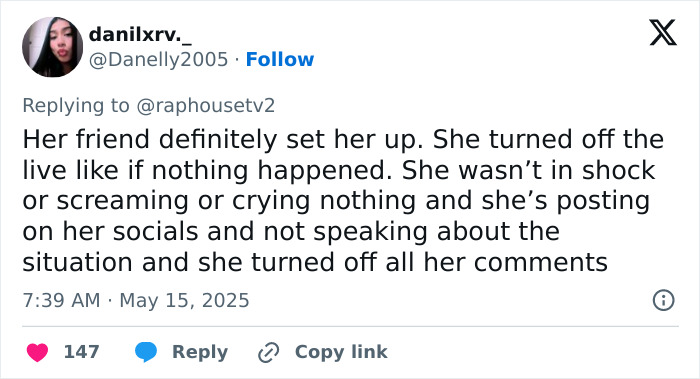
Image credits: Danelly2005

Image credits: naty_xx12/TikTok
The gap between those two realities became fertile ground for misinformation. Online, people began hunting for culprits faster than authorities could confirm evidence.
One of the first people targeted was Jesús Hernández, a well-known sports commentator who was falsely accused of being the ex-boyfriend. Images of Hernández circulated online, and thousands of people treated him as a criminal without proof.
“I got about 5,000 messages, threats saying, ‘We’ll find you, and we’ll get you,’” he told local media. “Now if I want to go downtown for an ice cream someone might come to me and shout, ‘Hey you, femicide!’”
Valeria’s friend Vivian de la Torre was also dragged into the digital manhunt. Because Vivian had a history of sending her friend gifts, some users accused her of arranging the delivery that brought the culprit to the salon.
The theory spread across TikTok and Instagram, where people claimed Vivian had set her friend up out of jealousy or betrayal.
More than a year later, the case remains unsolved and the culprits at large
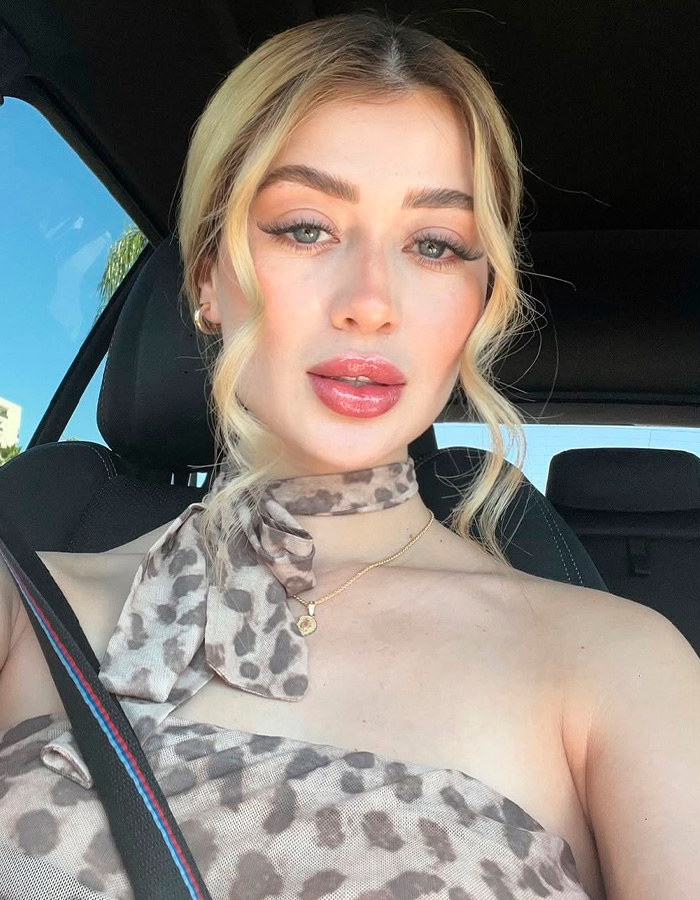
Image credits: www.instagram.com
By the first anniversary of Márquez’s homicide, the Jalisco Prosecutor’s Office said it had two solid lines of investigation. But no confirmed suspect had been publicly named, no arrest warrant had been executed, and the official case remained open under femicide protocol.
That silence carries particular weight in Mexico, where gender-based violence remains a national crisis. The country ranks fourth in Latin America and the Caribbean for femicide rates, behind Paraguay, Uruguay, and Bolivia.
In Jalisco, the odds of justice are also shaped by a broader climate of impunity. According to a report by the Mexican Institute of Statistics (INEGI), as many as 90% of crimes are never reported or investigated.
Márquez’s case sits at the intersection of those failures.
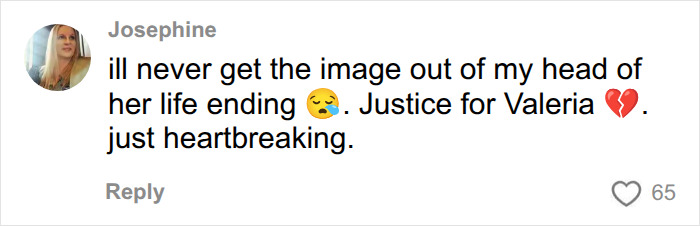
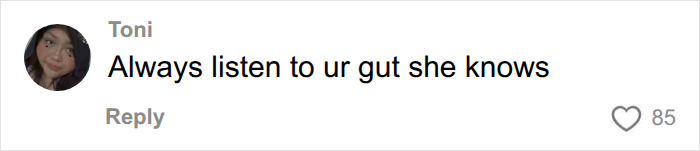
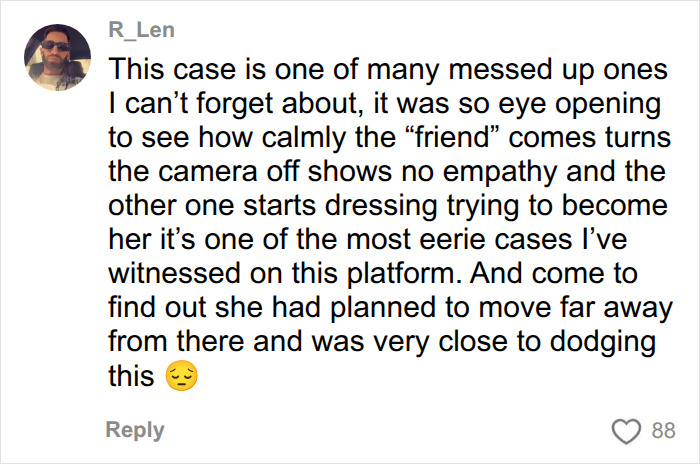
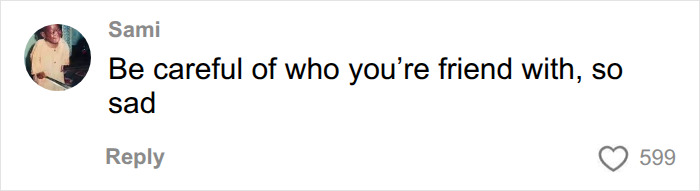
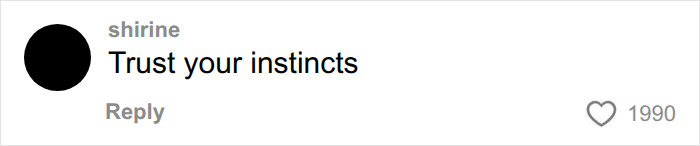
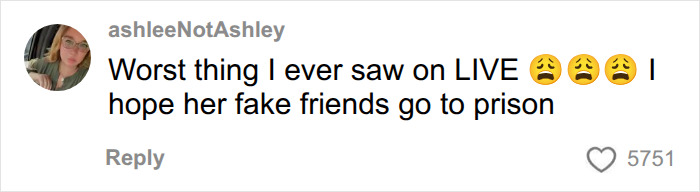
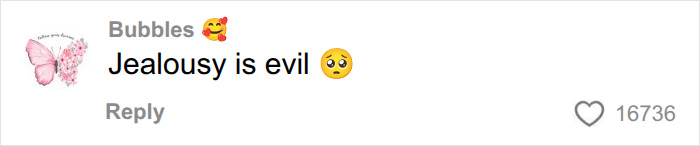
“She never got justice,” a reader wrote
Poll Question
Total votes ·Thanks! Check out the results:
Total votes · Newsletter
Subscribe to Access
Exclusive Polls

By entering your email and clicking Subscribe, you're agreeing to let us send you customized marketing messages about us and our advertising partners. You are also agreeing to our Privacy Policy.
Thank you! You've successfully subscribed to newsletters!
Share on Facebook Abel Musa Miño
Writer, Entertainment News Writer
Read more »Born in Santiago, Chile, with a background in communication and international relations, I bring a global perspective to entertainment reporting at Bored Panda. I cover celebrity news, Hollywood events, true crime, and viral stories that resonate across cultures. My reporting has been featured on Google News, connecting international audiences to the latest in entertainment. For me, journalism is about bridging local stories with global conversations, arming readers with the knowledge necessary to make up their own minds. Research is at the core of my work. I believe that well-sourced, factual storytelling is essential to building trust and driving meaningful engagement.
May you like


Abel Musa Miño
Writer, Entertainment News Writer
Read more »Born in Santiago, Chile, with a background in communication and international relations, I bring a global perspective to entertainment reporting at Bored Panda. I cover celebrity news, Hollywood events, true crime, and viral stories that resonate across cultures. My reporting has been featured on Google News, connecting international audiences to the latest in entertainment. For me, journalism is about bridging local stories with global conversations, arming readers with the knowledge necessary to make up their own minds. Research is at the core of my work. I believe that well-sourced, factual storytelling is essential to building trust and driving meaningful engagement.
Read less » What do you think ? POST POST
  Back to Homepage
  More about Crime Homepage
  Trending Crime Homepage Next in Crime Related on Bored Panda